Komodo's Call: A Complete Guide to the Land of Dragons, Savannas, and Neptune's Realm
The Indonesian archipelago holds a million natural charms that always manage to attract international attention. Among these many beauties, Komodo National Park stands tall as one of the most iconic destinations offering a blend of dramatic landscapes, ancient endemic wildlife, and stunning marine wealth. Located in the East Nusa Tenggara Province, this area is not only the pride of the local community but has also been globally recognized as a UNESCO World Heritage Site.
For domestic tourists and international travelers alike, understanding the intricacies of this area is essential before planning a visit.
The Allure of Komodo Touristic
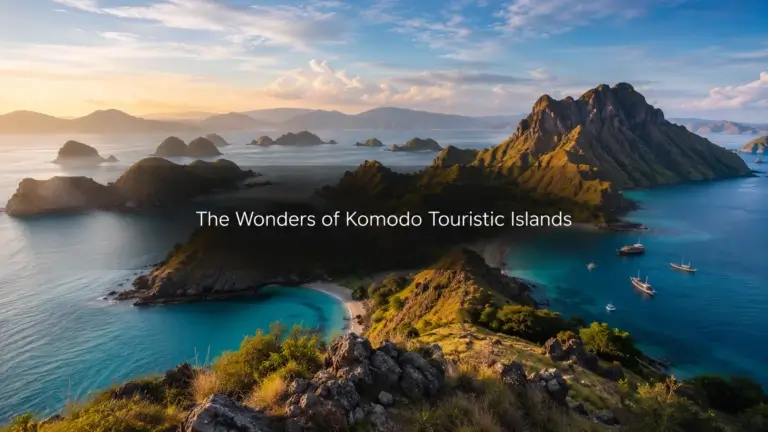
Komodo National Park basically consists of three large main islands namely Komodo Island, Rinca Island, and Padar Island, as well as dozens of other small islands surrounding them. The ecosystem in this area is quite unique because it is dominated by dry savanna hills, tropical deciduous forests that shed their leaves during the dry season, and exotic white and pink sandy beaches.
The main attraction that becomes the center of attention in the komodo touristic ecosystem is of course the existence of giant lizards that can only be found in this region. Tourists are usually directed to visit Komodo Island or Rinca Island to see these large reptiles directly. In every wildlife observation activity, visitors are required to walk along designated trails accompanied by local rangers. These officers have in depth knowledge of wildlife behavior and ensure a safe distance between tourists and these endemic animals is well maintained.
Besides the Komodo dragon, this savanna land is also home to various other animals that help balance the natural food chain there. Visitors often encounter Timor deer, water buffalo, wild boar, and various bird species such as the yellow crested cockatoo and scrubfowl foraging behind the bushes. Maintaining the sustainability of this habitat is a shared responsibility for everyone who sets foot in the conservation area.
Komodo Dive Guide for Exploring Underwater Wonders
Although the land is famously arid and exotic, the waters surrounding the national park harbor a completely contrasting life. This water area is located in the Coral Triangle region, making it one of the richest centers of marine biodiversity on the planet. Strong ocean currents from the Indian Ocean bring abundant nutrients that support massive coral growth and invite thousands of fish species.
For water activity enthusiasts, a komodo dive is a highly coveted achievement. The diving spots in this area offer crystal clear water visibility and highly varied underwater topography ranging from coral cliffs and rocky slopes to amazing sea mounts. Several locations such as Batu Bolong and Manta Point are always the main stars. At Manta Point, divers and snorkeling swimmers have a great opportunity to directly see schools of giant manta rays gliding gracefully in the middle of the ocean current.
Diving in these waters is often described as entering the realm of the sea god or komodo neptune which is filled with majestic and mysterious underwater landscapes. Even for those who do not have a professional diving license, swimming on the surface using simple breathing equipment is enough to reveal expanses of colorful corals, resting green turtles, and thousands of small fish swimming in beautiful formations.
Tips for Choosing a Boat Komodo
Due to its geographical location as an archipelago, tourist movement heavily relies on the availability of sea transportation. The town of Labuan Bajo on the west coast of Flores Island serves as the main gate and logistical center for all tourism activities heading to the national park. At the Labuan Bajo port, tourists will find hundreds of ships of various sizes and specifications docked and ready to carry passengers across the sea.
The use of a boat komodo is an absolute necessity in this tourist journey. There are several ship variations that can be adjusted to the budget and time duration of the visitors. For those who only have one day of free time, a speedboat is the most rational choice because it can significantly cut the travel time between islands. However, for tourists who want to soak in the atmosphere more slowly and calmly, a modified traditional wooden ship often called a Phinisi boat is the main standard of tourism in this area.
Within this marine tourism system, there are various elements and operators moving harmoniously to serve visitors, and several names or identities such as maika komodo sometimes appear as part of the dynamics of the local tourism industry that enrich options for travelers whether in the form of accommodation services, information centers, or simply coastal lifestyle elements growing around Labuan Bajo.
The Best Komodo Cruises Schedules
For tourists who have more free time, spending a few nights on a boat or liveaboard is the most perfect way to enjoy this national park. Maritime itineraries or komodo cruises are designed so that visitors do not need to return to the Labuan Bajo mainland every afternoon. Instead, the ship will drop anchor in calm bays so visitors can enjoy the sunset view directly from the ship’s deck and wake up at a new tourist destination location the next day.
This sailing experience generally includes bed facilities, food cooked directly on the boat, and standard safety equipment. Tourists are free to choose the duration of the voyage ranging from two days and one night trips to multi day expeditions reaching the outer islands. Classic routes will usually take visitors climbing the hills on Padar Island in the early morning to see the iconic three bay view, relaxing on the pink sandy beach formed from coral fragments, and of course visiting the main islands to see the legendary ancient animals.
Specialized Land Tour Services for International Cruise Ship Passengers
The fame of Komodo National Park also makes it a highly desirable stopping point for international scale luxury cruise ships sailing the Southeast Asian waters. The characteristics of cruise ship passenger visits are certainly different from regular tourists. They usually only have a very short docking time, often less than twelve hours, to go ashore and explore the local natural beauty.
This time constraint demands highly precise travel management so that passengers can get an optimal tourist experience without risking missing their cruise ship departure schedule. Therefore, various local service providers design highly structured specialized tourism schemes to facilitate this need.
As one of the references operating professionally in this area, Top Komodo Tour provides integrated information and services aimed specifically at that market. Tourists and travel agents can view details on logistical arrangements, pick up schedules from the tender boat arrival point, and efficient land tour guides through the service reference page for the komodo tour from cruise ship package. The availability of such centralized information greatly helps international cruise ship passengers understand the tight daily itinerary while still prioritizing safety and comfort aspects.
Komodo National Park is real proof of the geographical wealth owned by the earth. Understanding the natural layout, transportation systems, and various exploration options in this area will greatly help you in arranging a realistic travel plan. By equipping yourself with accurate information and careful preparation, exploring this archipelago will undoubtedly be one of the most memorable experiences of seeing the universe.
Frequently Asked Questions (FAQ)
The best time to visit is between April and December because the weather is sunny and the ocean waves are relatively calmer for sailing activities.
Telecommunication signals are very limited and often disappear completely so you are advised to complete important communication matters before leaving Labuan Bajo.
Drone usage is strictly prohibited in all conservation areas unless you have arranged and hold an official flight permit from the national park management.
The area can indeed be visited by children provided that parents must give extra strict supervision especially when climbing and while in wildlife habitat areas.
The national park retribution fee is usually not included in the fleet rental price and must be paid directly using cash at the island guard post.
