Exploring Komodo Island: A Natural Wonder Waiting at the Edge of the Archipelago
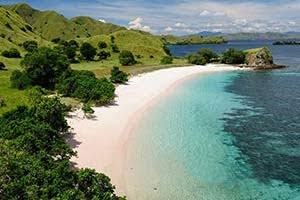
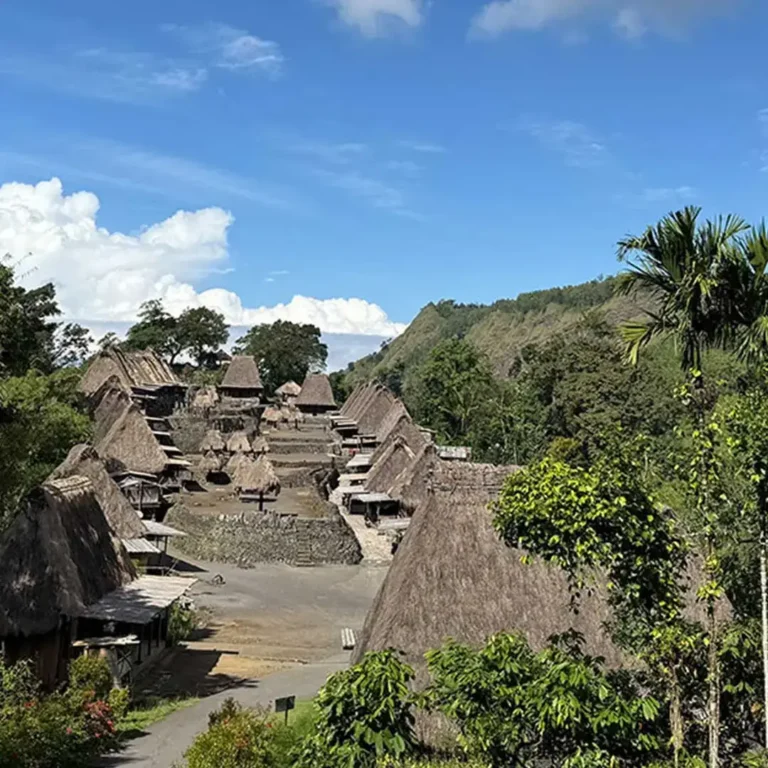
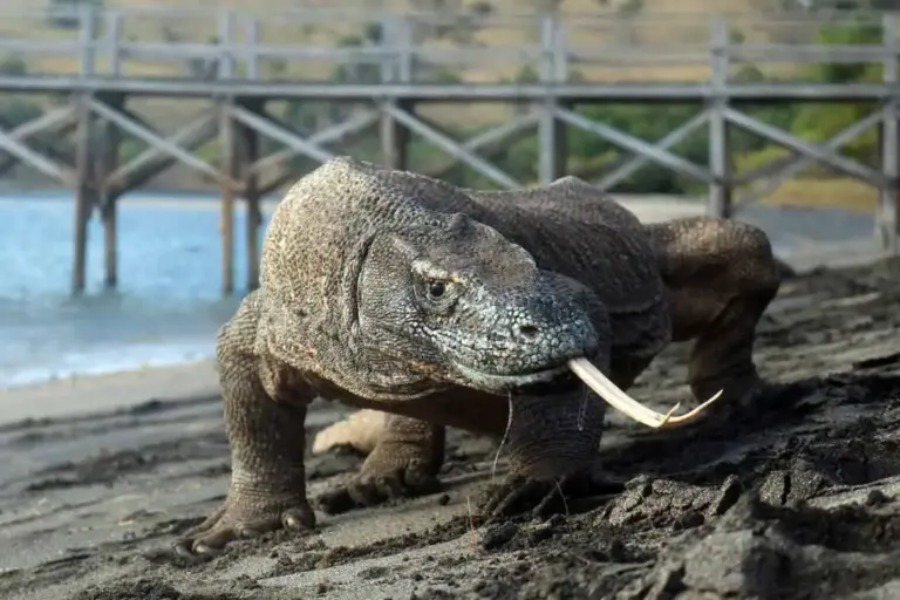
Have you ever imagined standing face-to-face with a creature that seems to have stepped right out of the age of dinosaurs? Komodo Island is famously known as the home of the legendary Komodo dragon—the largest living lizard on Earth, a majestic reptile that exists naturally nowhere else in the world. Located in the western part of Komodo National Park, this island is not only the heart of the park but also its largest landmass, a rugged expanse of savanna, tropical forest, and pristine coastline that has remained wild for millennia.
Here, on this ancient soil, the Komodo dragons do more than just survive—they thrive. As of August 2009, records showed approximately 1,300 of these magnificent creatures roaming Komodo Island and its neighboring islands, including Rinca and Gili Motang. Today, their population has grown to an estimated 2,500, a testament to the success of conservation efforts and the enduring resilience of nature when given the space and protection it deserves.
But Komodo Island offers far more than its famous reptilian inhabitants. For those who take the time to look deeper, this island reveals a world of unexpected beauty and biodiversity that will leave every traveler in awe.
More Than Just Dragons
Picture yourself walking along trekking trails lined with tropical vegetation—the Gebang tree, which local communities use for traditional medicine and handicrafts, the towering tamarind trees, and swaying palm trees rustling in the ocean breeze.
If luck is on your side, your eyes may also catch a glimpse of wild orchids blooming gracefully, clinging to the branches of large trees along the path. These are the small miracles that often go unnoticed, yet they become the most cherished memories for true travelers.
A Symphony of Wildlife
On this island, nature speaks its own language. Timor deer pass by with elegance, wild boars scurry through the underbrush, and tropical birds sing melodiously from the forest canopy. Various species of snakes glide slowly and peacefully, playing their part in a cycle of life that has continued for thousands of years. All these creatures coexist in perfect harmony, forming a unique tropical ecosystem—a natural symphony that can only be found at the southeastern tip of the Indonesian archipelago.
The Journey to a Hidden Paradise
How do you reach such a special place? The journey to Komodo Island is an adventure in itself—one that will quicken the pulse of every nature lover. Your first stop is Labuan Bajo, a charming fishing town on the western tip of Flores Island. This town serves as the main gateway to Komodo National Park.
There are two ways to get there. If time is a priority, you can fly directly to Labuan Bajo from various major cities in Indonesia. But if you crave a more authentic adventure, consider taking a ship from Bali or Surabaya—a sea voyage that offers a whole new perspective on the breathtaking beauty of Indonesia’s islands.
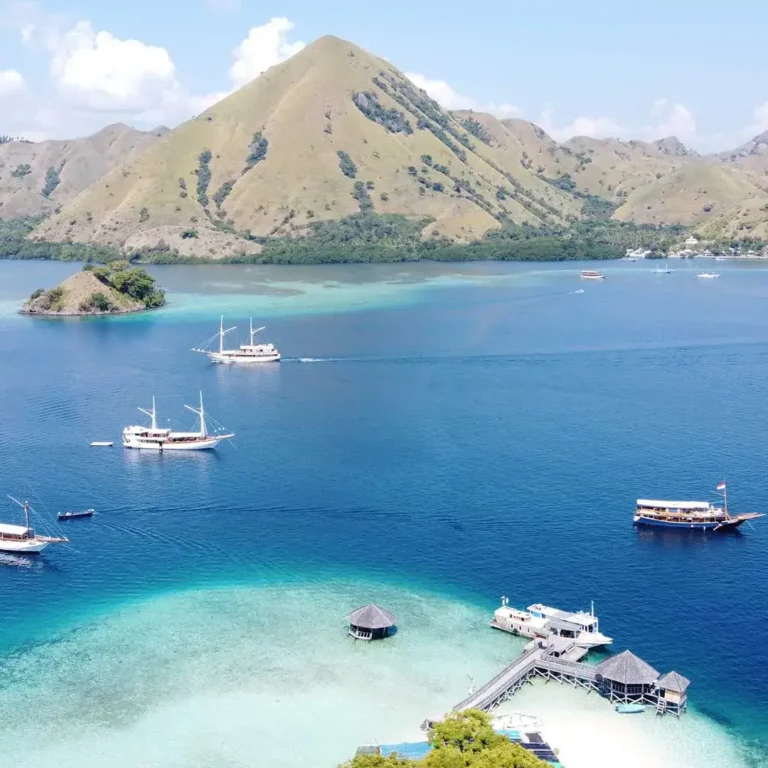
From Labuan Bajo, the real journey begins. Climb aboard a traditional wooden boat, let the sea breeze caress your face, and prepare for a roughly four-hour crossing across turquoise waters toward Komodo Island. Every minute of the journey will be well worth it the moment you set foot on land that holds millions of mysteries.
A Note to the Adventurers
Visiting Komodo Island is not just a holiday—it is an opportunity to connect with nature, learn from local wisdom, and witness firsthand how wildlife thrives in all its beauty and rawness. Bring your curiosity, respect the nature you are visiting, and allow the island to tell you its story.
Because in the end, Komodo Island is not just about what you see—it is about how this journey changes the way you perceive the natural wonders that still remain in this world.
Are you ready to answer the call of the wild? Komodo Island is waiting—with all its beauty, mystery, and stories that can only be written by those who dare to venture further.
Best Time to Visit
Timing your visit is key to an optimal experience. The best time to explore Komodo National Park is during the dry season, from April to October. During these months, you can expect clear skies, calm seas, and excellent visibility for diving and snorkeling.
- April to June is a fantastic "shoulder season" period. The landscapes are lush and green from the recent rains, the weather is pleasant, and you avoid the peak crowds of July and August
- July and August are the busiest months. While the weather is perfect, the park can get crowded, and it is also the Komodo dragon mating season, making them slightly harder to spot as they retreat into the vegetation
- September and October offer another sweet spot with good weather and thinning crowds. Avoid the rainy season from November to March, as rough seas can disrupt travel and boat trips