Komodo National Park: A Journey to the Land of Dragons
There are places on this planet that feel like they belong to another time — where ancient creatures still roam, where the sea teems with life, and where the landscape itself tells a story of resilience and wonder. Komodo National Park is one such place.
Here, in the heart of the Lesser Sunda Islands, you can witness the largest living lizard on earth — the legendary Komodo dragon — in its natural habitat. But the park offers far more than this prehistoric spectacle. From vibrant coral reefs and manta rays to rugged savannahs and breathtaking viewpoints, Komodo is a destination that speaks to the soul of every traveler.
Whether you are a nature enthusiast, an adventure seeker, or simply someone who longs to experience the raw beauty of the world, a journey to Komodo National Park is an absolute must.
History and Geography: A UNESCO World Heritage Gem
Komodo National Park is located in the province of East Nusa Tenggara, Indonesia, within the Lesser Sunda Islands. The park encompasses three main islands — Komodo, Rinca, and Padar — along with numerous smaller islands. Established in 1980 to protect the endemic Komodo dragon, the park was designated a UNESCO World Heritage Site in 1991.
The park covers a total area of 1,817 square kilometers, of which 603 square kilometers are land and the remainder is marine territory. The landscape is rugged and hilly, characterized by dry savannahs, dense tropical forests, and dramatic coastlines. Surrounding the islands are crystal-clear waters that harbor some of the most biologically diverse marine ecosystems on the planet.
Flora and Fauna: A Living Tapestry of Biodiversity
The biodiversity of Komodo National Park is nothing short of remarkable. The park is home to over 5,000 species of plants, including the Lontar Palm, which local communities have traditionally used for food, medicine, and building materials. Terrestrial wildlife includes monkeys, deer, wild boar, and a variety of bird species, such as the Yellow-crested Cockatoo.
But the undisputed star of the park is the Komodo dragon (Varanus komodoensis). These ancient reptiles can grow up to 3 meters in length and weigh as much as 70 kilograms. As carnivores, they are capable of consuming up to 80% of their body weight in a single meal. Despite their size, they are surprisingly agile and can sprint at speeds of up to 20 kilometers per hour.
Observing a Komodo dragon in the wild — moving with quiet authority across the savannah — is an experience that stays with you forever.
The Famous Komodo Dragons: Where to See Them
The Komodo dragon is, without question, the main attraction of the park. Visitors can observe these majestic creatures in their natural environment on the islands of Komodo and Rinca, where they roam freely across designated trekking routes.
Guided tours are led by experienced local rangers who possess deep knowledge of dragon behavior and habitat. These rangers are essential not only for interpretation but also for ensuring visitor safety. It is imperative to follow their instructions and remain within designated areas at all times, as these are powerful and unpredictable wild animals.
The best time to observe Komodo dragons in the open is during the dry season, from April to December, when they are most active.
Important Seasonal Note
Beyond the Dragons: Snorkeling and Diving
Top Snorkeling and Diving Sites
- Manta Point — A premier location for encountering manta rays. These graceful giants are frequently sighted here, gliding through the water with an almost meditative elegance. Snorkeling with mantas is a humbling and unforgettable experience.
- Siaba Island — Renowned for its population of sea turtles. Snorkelers can also enjoy the surrounding coral gardens and a vibrant array of reef fish.
- Batu Bolong — A world-class dive site characterized by a rocky pinnacle surrounded by strong currents, attracting pelagic species and offering exhilarating drift dives.
Our tours regularly include these sites, allowing you to experience the best of Komodo’s marine biodiversity — whether you are a certified diver or a first-time snorkeler.
Hiking and Trekking: Views That Reward the Effort
For those who prefer to stay above the water, Komodo National Park offers superb trekking opportunities across its islands.
Padar Island
The trek to the summit of Padar Island is one of the most iconic experiences in the park. The climb, which involves over 800 steps, is rewarded with a panoramic view of three distinct beaches — pink, black, and white sand — set against the backdrop of turquoise waters. It is a photograph that defines Komodo, but the experience itself is far more profound than any image can convey.
Gili Lawa Island
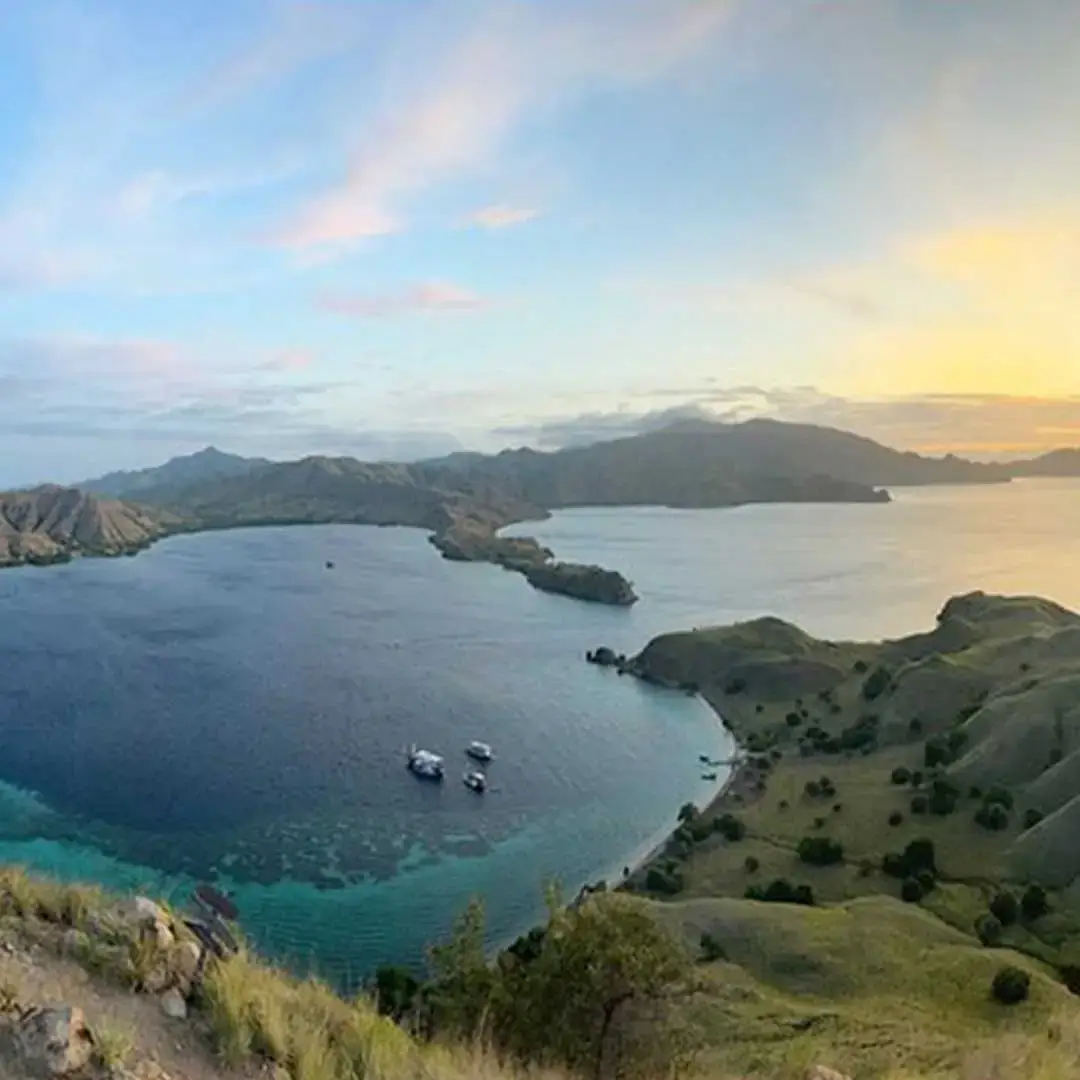
Another highly recommended trekking destination is Gili Lawa Island, offering spectacular sunrise and sunset views. The climb is less demanding than Padar but equally rewarding, with sweeping vistas of the surrounding archipelago and the changing colors of the sky.
Practical Tips for Your Visit
- Dress appropriately for the tropical climate and rugged terrain. Lightweight, breathable fabrics are ideal.
- Wear comfortable shoes with good grip for hiking and walking.
- Protect yourself from the sun — bring sunscreen, a wide-brimmed hat, and UV-blocking sunglasses.
- Apply insect repellent to minimize exposure to mosquitoes and other insects.
- Respect local culture and customs — be mindful of your behavior and appearance in community areas.
- Follow your guide's instructions at all times, both on land and in the water.
- Do not litter or damage the environment — help preserve the park for future generations.
Best Time to Visit Komodo National Park
Peak Season vs. Shoulder Season
- Peak Season (July–August): Expect larger crowds and higher prices. Book your accommodation and tours well in advance.
- Shoulder Season (April–June & September–November): A recommended window for travelers seeking fewer crowds and more competitive pricing, while still enjoying favorable weather.
How to Get There and Accommodation Options
The primary gateway to Komodo National Park is Labuan Bajo, a coastal town on the western tip of Flores Island. Flights to Komodo Airport (LBJ) are available from Bali and other major Indonesian hubs.
From Labuan Bajo, visitors embark on boat trips — either day tours or multi-day liveaboard expeditions — to explore the islands of the park.
Accommodation Choices
Important Safety and Regulatory Information
Your safety and the preservation of the park are of the utmost importance. Visitors are required to adhere to all regulations set by the Komodo National Park Authority. These include:
- Staying with your guide and within designated trekking routes
- Maintaining a safe distance from wildlife at all times
- Refraining from touching, feeding, or provoking animals
- Observing strict no-littering policies
- Abiding by marine conservation rules while snorkeling or diving
Ready to Explore Komodo National Park?
Komodo National Park is more than a destination — it is an invitation to step into a world where nature remains sovereign, where dragons still roam, and where the ocean reveals its most spectacular secrets.
At Top Komodo Tour, we are dedicated to crafting journeys that are safe, enriching, and unforgettable. From guided treks and wildlife encounters to snorkeling adventures and cultural experiences, we handle every detail so you can focus on the wonder around you.
WhatsApp: +62 821 4421 7181
Email: cstopkomodo@gmail.com
Komodo National Park: A Journey to the Land of Dragon
Komodo National Park is a wonderful place to visit, with amazing flora and fauna and even beautiful underwater life. Here, you can have the unique opportunity to witness the largest living lizard on earth, The Komodo Dragon in their natural habitat. This park is also home to other species of wildlife, including monkeys, deer, wild boars, birds, etc. And if you think that’s impressive, wait until you dive into the underwater site of Komodo.
Here, you’ll discover an abundance of colorful coral reefs, schools of tropical fish, turtles, and even the rare Manta Rays. Whether you’re a nature enthusiast, an adventure seeker, or simply someone who wants to experience the beauty of the world, a journey to Komodo National Park is an absolute must.
History and Geography of Komodo National Park
Komodo National Park is located in the Lesser Sunda Islands, in the province of East Nusa Tenggara, Indonesia. The park consists of the three biggest islands: Komodo, Rinca, and Padar, as well as several smaller islands. The park was established in 1980 to protect the Komodo dragon, which is endemic to the area. In 1991, the park was declared a UNESCO World Heritage Site.
The park covers an area of 1,817 square kilometers, of which 603 square kilometers are land and the rest is marine. The landscape is rugged and hilly, with dry savannahs and dense forests. The islands are surrounded by crystal-clear waters, home to some of the most diverse marine life in the world.
Flora and Fauna Life
The flora and fauna of Komodo National Park are incredibly diverse. The park is home to over 5,000 species of plants, including the Lontar Palm, which is used by the local people for food, medicine, and building materials. The park is also home to a wide variety of animals, including monkeys, deer, wild boar, and birds such as the Yellow-crested Cockatoo.
But the star of the show is undoubtedly the Komodo dragon. These ancient creatures, which can grow up to 3 meters in length and weigh up to 70 kilograms, are the world’s largest living lizards. They are carnivorous and can eat up to 80% of their body weight in one meal. Despite their size, they are surprisingly fast and can run up to 20 kilometers per hour.
The Famous Komodo Dragons
The Komodo dragons are undoubtedly the main attraction of Komodo National Park. Visitors can witness these majestic creatures in their natural habitat, roaming freely on the islands of Komodo and Rinca. The best time to see them is during the dry season, from April to December when they are most active.
Visitors can take a guided tour to see the Komodo dragons up close. The tours are led by local rangers, who are experts in the behavior and habits of the dragons. It’s important to follow their instructions and stay within the designated areas, as the dragons can be dangerous.
Snorkeling and Diving
Komodo National Park is a paradise for snorkelers and divers. The park is home to various species of fish, corals, and species of sponges. The waters are also home to several species of sharks, rays, and turtles, as well as the rare Manta Ray.
The best sites for snorkeling and diving are located around the islands of Komodo, Rinca, and Padar. Some of the most popular sites include Manta Point, Siaba Island, Batu Bolong, etc. We provide tours that include these snorkeling spots on our program.
In Manta Point you will snorkel with wonderful manta rays and in Siaba Island you will have an opportunity to snorkel with turtles and other wonderful marine life as well as the beautiful coral reefs.

Hiking and Trekking

Komodo National Park offers a wide range of activities for visitors to enjoy. Trekking and hiking are the most popular activities to do on the several islands in the park. Trekking to the top of Padar Island with stunning views of the island and surroundings. Visitors may even spot some of the resident wildlife, such as deer and some kinds of birds.
Another trekking spot that we really recommend is Gili Lawa Island. This spot has wonderful views of sunrise and even the sunset.
Tips for Visiting Komodo National Park
- Dress appropriately for the weather and terrain
- Wear comfortable shoes for hiking and walking
- Bring sunscreen, a hat, and sunglasses to protect yourself from the sun
- Bring insect repellent; spray or cream
- Respect the local culture and customs
- Follow the instructions of your tour guide and local rangers when visiting the park
- Do not litter or damage the environment
Best Time to Visit Komodo National Park
The best time to visit Komodo National Park is during the dry season, from March to December. During this time, the weather is sunny and dry, with little to no rain. The seas are calm and clear, making it perfect for diving and snorkeling.
If you’re planning to visit during the peak season, which is from July to August, it’s advisable to book your accommodation and tours in advance, as We tend to get fully booked. The shoulder season, from April to June and September to November, is also a good time to visit, as there are fewer crowds and the prices are lower.
If you want to include having an opportunity to witness the Komodo Dragon in their natural habitat, avoid visiting the park in July and August. It is a mate session for the Komodo dragons. During this time, The Komodo will be in the deep forest and rarely seen in the trekking area. Even if there is a chance, and even then very little to see the big dragons. There are only small Dragons.
How to Get To Komodo Park and Accommodation Options
For visitors who are really interested to explore the Komodo National Park, we recommend you book a tour in advance for the best experiences and services. Then, you can take a flight to Komodo Airport in Labuan Bajo Town. Labuan Bajo is a Coastal town in West Flores Island and is a main entry to the Komodo Park. From this town, you will take a boat trip that you’ve booked before to the Park and start your adventure.
There are lots of accommodation options near the Park, from budget-friendly to luxury resorts. You can choose to stay in Labuan Bajo or overnight on a boat trip, so you can have more time to reach more spots in the Park.
For your safety on your trip to Komodo National Park, it is important to follow all the regulations made by the Park Authority.
