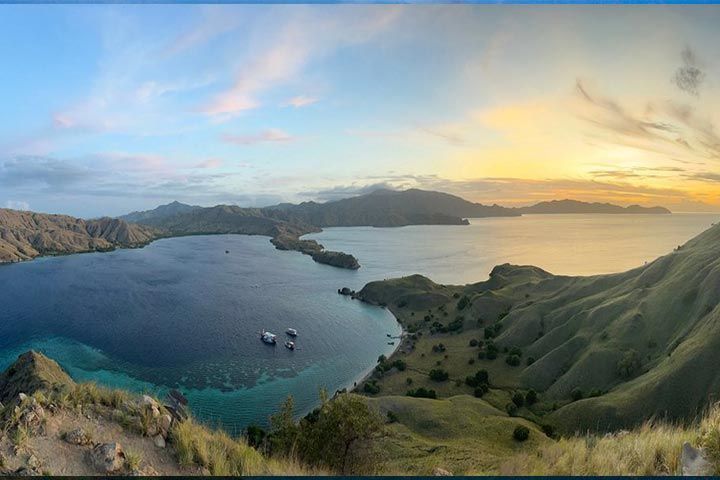
When people think about Komodo National Park, Komodo dragons, dramatic islands, and the famous views of Padar Island may be the first things that come to mind. But beneath the clear waters surrounding the islands is another world that is just as impressive.
The waters of Komodo National Park are home to an incredible variety of marine life. Coral reefs, seagrass areas, rocky coastlines, and open water provide habitats for everything from colorful reef fish to large marine animals such as manta rays and sea turtles.
For travelers who enjoy snorkeling or diving, discovering the marine animals in Komodo National Park can easily become one of the highlights of a trip to Labuan Bajo.
Discover the Marine Life of Komodo National Park
The waters surrounding Komodo National Park are just as fascinating as the landscapes above the surface. Warm tropical seas, colorful coral reefs, seagrass areas, and strong ocean currents create diverse habitats for a wide range of marine species.
For travelers exploring the park by boat, snorkeling, or diving, these underwater ecosystems offer the chance to encounter both small reef creatures and larger marine animals. While sightings depend on the location and natural conditions, several species are commonly associated with the waters around Komodo.
Here are some of the marine animals you may encounter during your trip.
1. Manta Rays
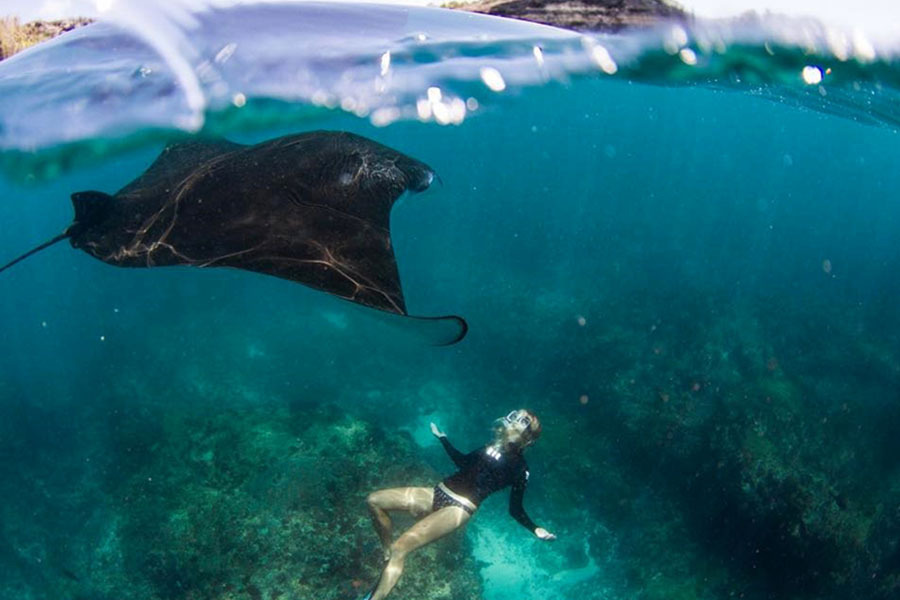
Manta rays are among the most exciting sea animals in Komodo and are one of the main reasons travelers visit popular snorkeling and diving sites around the national park.
These graceful animals can grow to an impressive size and are often seen moving slowly through the water while feeding on plankton. Some locations are known for more frequent manta ray encounters, although sightings are never guaranteed because they are wild animals.
Seeing a manta ray glide beneath your boat or pass a few meters away while snorkeling can be an unforgettable experience. Manta Point is one of the best-known places associated with manta rays in Komodo, but conditions and wildlife activity can vary from day to day.
2. Sea Turtles
Sea turtles are another highlight of Komodo marine life. They can sometimes be spotted swimming over coral reefs or feeding around areas with seagrass and other marine vegetation. Green turtles and hawksbill turtles are among the species found in the wider waters of the region. Their calm movements make them particularly enjoyable to watch while snorkeling.
If you encounter a sea turtle, it is important to keep a respectful distance and avoid touching or chasing it. Giving marine animals enough space allows them to continue their natural behavior without unnecessary disturbance.
3. Colorful Reef Fish
You do not need to encounter a giant animal to appreciate the marine life in Komodo National Park. The coral reefs around the park support a remarkable variety of tropical fish. Depending on the snorkeling or diving location, you may see schools of small colorful fish moving above the reef, along with butterflyfish, angelfish, parrotfish, damselfish, surgeonfish, and many other reef species.
The variety can make even a short snorkeling stop feel like an underwater exploration. Healthy coral reefs are particularly important because they provide shelter, food, and breeding areas for many marine species. This is one reason responsible tourism is so important when exploring the waters around Komodo.
4. Reef Sharks
Sharks may sound intimidating, but many reef sharks encountered by divers are not interested in people. Several reef shark species can be found in the waters around Komodo National Park. White-tip and black-tip reef sharks are among the species divers may encounter in suitable habitats.
They are often seen swimming near reefs or resting on the seafloor. Seeing one while diving can be an exciting reminder that you are exploring a genuine marine ecosystem rather than an aquarium. As with all wildlife encounters, there is no guarantee that you will see sharks on a particular trip.
5. Dolphins
Dolphins are also part of the diverse marine animals in Komodo National Park. They are more commonly encountered in open water, where they may travel in groups and sometimes approach boats. Several dolphin species occur in Indonesian waters, although identifying a species from a quick encounter can be difficult.
A pod of dolphins appearing alongside a boat is one of those unexpected moments that can make a Komodo trip even more memorable. Because dolphins move freely through large areas of ocean, sightings are naturally unpredictable. Your chances depend on factors such as location, weather, and the animals’ movements that day.
6. Dugongs
Dugongs are among the more unusual animals associated with the marine ecosystem around Komodo. These gentle marine mammals are related to manatees and spend much of their time feeding on seagrass. They are not animals that travelers can expect to see regularly, but their presence highlights the ecological diversity of the region.
Dugongs are especially difficult to spot because they can be elusive and spend considerable time underwater. If you happen to encounter one, it is important to observe it quietly from a safe distance rather than attempting to approach it.
Read More: Padar Island: Iconic and Breathtaking Paradise in Komodo
Coral Reefs and Other Marine Creatures
The variety of marine life in Komodo National Park goes far beyond the larger animals that are easiest to recognize. Underwater habitats support many smaller creatures, including sea stars, crabs, shrimp, sea cucumbers, moray eels, anemones, and numerous other reef organisms.
Some of these animals are easy to miss if you are only looking for manta rays or turtles. Taking your time while snorkeling or diving can reveal an entirely different side of the ecosystem. For underwater photographers and divers, these smaller creatures can be just as interesting as the larger animals.
Where Can You See Marine Animals in Komodo National Park?
Different marine animals prefer different habitats, so there is no single location where you can see everything. Popular snorkeling and diving areas around the national park offer different underwater experiences depending on currents, reef conditions, water visibility, and wildlife activity.
Manta ray sites are particularly popular for travelers hoping to see these large rays, while coral reef areas can offer opportunities to observe tropical fish, turtles, and other smaller marine creatures. Some locations may also be more suitable for experienced divers because of stronger currents. Your guide or dive operator can recommend sites based on your experience level and the conditions on the day.
Snorkeling or Diving: Which Is Better for Seeing Marine Life?
Both Komodo snorkeling and diving can provide memorable wildlife encounters, but they offer different experiences. Snorkeling is accessible to most travelers and allows you to explore shallow reefs without specialized diving equipment. It can be an excellent choice for seeing colorful fish, coral, and sometimes turtles or manta rays.
Diving takes you deeper into the underwater environment and provides access to different reef habitats. Experienced divers may have opportunities to observe larger marine animals and explore areas that are not accessible to snorkelers. If you are visiting Komodo for the first time, you do not necessarily need to be an experienced diver to enjoy its underwater world. Several snorkeling locations can already give you a great introduction to Komodo marine life.
When Is the Best Time to See Marine Life in Komodo?
Marine wildlife sightings depend on natural conditions, so there is no single date that guarantees encounters with a particular animal. Water conditions, currents, visibility, weather, tides, and the movement of wild animals can all influence what you see.
This is especially important to remember when looking for manta rays, dolphins, sharks, or other large marine animals. A location known for a particular species does not mean the animal will appear every time. Instead of focusing only on checking animals off a list, it is better to approach a Komodo snorkeling or diving trip as an opportunity to explore a living ecosystem.
How to See Marine Animals Responsibly
Enjoying the underwater world also comes with a responsibility to protect it. When snorkeling or diving in Komodo National Park, avoid touching coral, feeding wildlife, chasing animals, or standing on reefs. Keep a respectful distance from turtles, manta rays, sharks, and other marine animals.
Using reef-safe practices and following instructions from your local guide can also help minimize the impact of tourism. The goal is simple: enjoy the animals without changing their natural behavior.
Explore the Underwater World with Top Komodo Tour
The marine animals in Komodo National Park are one of the many reasons this destination deserves more than a quick visit. From manta rays and sea turtles to reef fish, sharks, dolphins, and countless smaller creatures, the waters around the park offer an entirely different side of the Komodo experience.
If you want to combine snorkeling and island exploration in one trip, Top Komodo Tour can help you arrange an itinerary based on your travel schedule and preferred destinations. Whether you are hoping to see manta rays, explore coral reefs, or simply enjoy the clear tropical waters, exploring Komodo with a well planned itinerary can make your time in the national park more comfortable and memorable.
FAQ
What is the most famous marine animal in Komodo National Park?
Manta rays are among the most famous marine animals in Komodo National Park. They are particularly popular with travelers visiting snorkeling and diving sites around the park.
Can you see sea turtles in Komodo National Park?
Yes. Sea turtles can be found in the waters around Komodo National Park and may sometimes be seen while snorkeling or diving over reefs and other suitable habitats.
Can you see sharks while diving in Komodo?
Yes. Reef sharks, including white-tip and black-tip reef sharks, can be encountered in some diving areas around Komodo National Park. Sightings depend on conditions and animal activity.
Is Komodo good for snorkeling?
Yes. Komodo National Park offers many snorkeling opportunities, with coral reefs, tropical fish, sea turtles, and occasional manta ray encounters among the attractions.
Are marine animal sightings guaranteed in Komodo?
No. Marine animals are wild, so sightings cannot be guaranteed. Weather, currents, visibility, tides, and animal movements can all affect what you see during a snorkeling or diving trip.
