
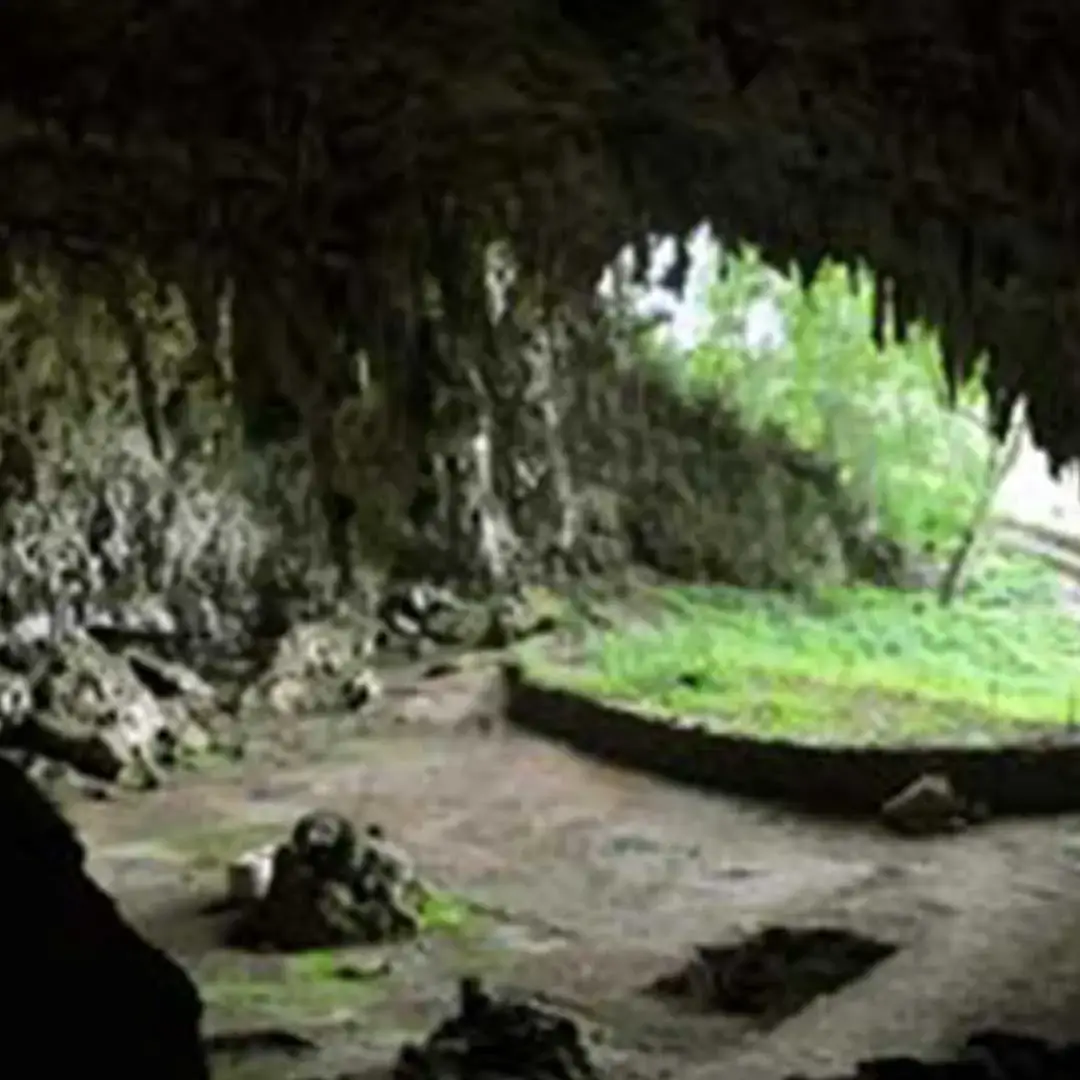
The Cave of the Hobbits: Where Homo Floresiensis of Flores Island Was Found and History Changed
Deep in the heart of Flores, hidden beneath ancient limestone cliffs and surrounded by emerald rice terraces, lies a cave that rewrote the story of human evolution. Liang Bua — known to the world as the Cave of the Hobbits — is one of the most significant archaeological sites ever discovered.
Here, in 2003, an international team of scientists unearthed something extraordinary: the fossilized remains of a previously unknown species of ancient human. Standing just over a meter tall, with a brain one-third the size of ours, this tiny hominid was unlike anything science had ever seen. They named it Homo floresiensis — but the world fell in love with a different name: the Hobbit.
Visiting Liang Bua is more than a journey into Indonesia’s natural beauty. It is a journey into our shared human story — a story that continues to unfold, layer by layer, deep beneath the earth.
Where Is the Cave of the Hobbits?
Liang Bua is located in the Manggarai region of Flores Island, approximately 14 kilometers north of Ruteng, the highland capital of central Flores. The cave is set within a dramatic limestone karst landscape, surrounded by lush countryside, coffee plantations, and small villages that have thrived here for generations.
The journey from Ruteng to Liang Bua takes about 30 to 40 minutes by car or motorbike, winding through rolling hills, past rice paddies, and along narrow roads that offer sweeping views of the surrounding valleys. It is a journey that builds anticipation — and rewards you with one of the most fascinating sites on Earth.
The Discovery That Shocked the World
On a September day in 2003, a joint Australian-Indonesian research team — led by archaeologist Mike Morwood and Indonesian paleoanthropologist R.P. Soejono — made a discovery that would send shockwaves through the scientific community.
Buried deep within the cave’s sediment layers lay a nearly complete skeleton of an adult female. She was small — just over one meter tall — with a cranial capacity of approximately 426 cubic centimeters, about one-third the size of a modern human brain. Her bones were delicate, her features ancient, and her age staggering: she had lived between 95,000 and 18,000 years ago.
This was not a modern human with a deformity. This was something entirely new — a distinct species of the genus Homo, one that had survived on this remote island alongside pygmy elephants, giant storks, and Komodo dragons.
The team named her Homo floresiensis. But the world had another name for her — the Hobbit — inspired by J.R.R. Tolkien’s beloved characters. And Liang Bua has been known as the Cave of the Hobbits ever since.
The Controversy That Followed
From the moment the discovery was announced, debate erupted. Scientists around the world divided into two camps:
- One side argued that the fossils represented a modern human with a genetic disorder — possibly microcephaly, Down syndrome, or another condition that caused small stature and a small brain.
- The other side insisted that this was a new species — one with unique anatomical features that did not match any known hominid.
Critics pointed to the small brain size and suggested intellectual disability. But further research, including CT scans of the skull, revealed that the brain structure did not match that of a microcephalic human. In addition, the wrist bones of Homo floresiensis more closely resembled those of apes or earlier hominids — not modern humans.
Supporters of the new species theory emphasized the distinct anatomical features, the fossil’s age, and its coexistence with other ancient fauna on Flores. To date, dozens of scientific articles have been published on Homo floresiensis, and the debate remains alive.
But one thing is certain: Liang Bua has given us a glimpse into a world we never knew existed.
Beyond the Hobbit: Other Discoveries
What to Expect When Visiting Liang Bua
The Cave
Liang Bua is an impressive limestone chamber with a high ceiling, where stalactites and stalagmites create a dramatic, cathedral-like atmosphere. Inside, you can see the marked excavation site where the famous skeleton was found. Ash layers, sediment, and the quiet weight of thousands of years fill the space.
Walking through the cave, you feel the echoes of ancient lives — the shadows of tiny humans who once called this place home.
The Surrounding Countryside
Beyond the cave, the landscape is breathtaking. Rice terraces cascade down the hillsides in shades of green and gold. Coffee trees grow in neat rows, their cherries ripening under the highland sun. Small villages dot the valley, where local farmers tend their land with methods passed down through generations.
Take time to wander, to breathe, and to connect with the land that has held so many secrets for so long.
Practical Tips for Your Visit
- Hire a guide — Local guides provide rich context and stories that bring the site to life
- Wear comfortable shoes — The path to the cave is pleasant but unpaved, and the cave floor can be uneven
- Bring a camera — The cave interior and surrounding scenery are both highly photogenic
- Visit early morning or late afternoon — To avoid the heat and enjoy softer, golden light
- Bring cash — No ATMs are available at the site, and cards are not accepted
Exploring the Region Around Liang Bua
Ruteng, the nearest town, is a charming highland settlement with cool temperatures, local markets, and warm hospitality. The area is also known for:
- Coffee plantations — Flores is one of Indonesia's most celebrated coffee-producing regions
- Traditional villages — Including the iconic cone-shaped houses of Wae rebo village
- Scenic hikes — Through bamboo forests, rice paddies, and limestone hills
Liang Bua can be easily combined with a broader Flores itinerary, offering a rich and varied travel experience.
Why Liang Bua Matters
Liang Bua is not just a cave — it is a reminder that the human story is far more complex, more surprising, and more beautiful than we ever imagined. The discovery of Homo floresiensis challenges long-held assumptions about evolution and migration. It shows us that our ancestors were not alone — and that ancient humans adapted to island life in extraordinary ways.
Visiting this site is a privilege — and a reminder of the importance of preserving our shared heritage, both natural and cultural.
Plan Your Visit to the Cave of the Hobbits
At Top Komodo Tour, we offer thoughtfully curated itineraries that include Liang Bua as part of a deeper exploration of Flores. Whether you are combining it with Komodo National Park, Kelimutu’s three-colored lakes, or the traditional villages of Manggarai, we can help you create a journey that is informative, inspiring, and unforgettable.
WhatsApp: +62 821 4421 7181
Email: cstopkomodo@gmail.com
Step into the Cave of the Hobbits. Walk where history was uncovered. Stand where a tiny species of human once lived — and leave with a deeper appreciation for the vast, unfolding story of who we are, and where we come from.
