Komodo Dragon: Meeting the Legendary Lizard of Indonesia in the Wild
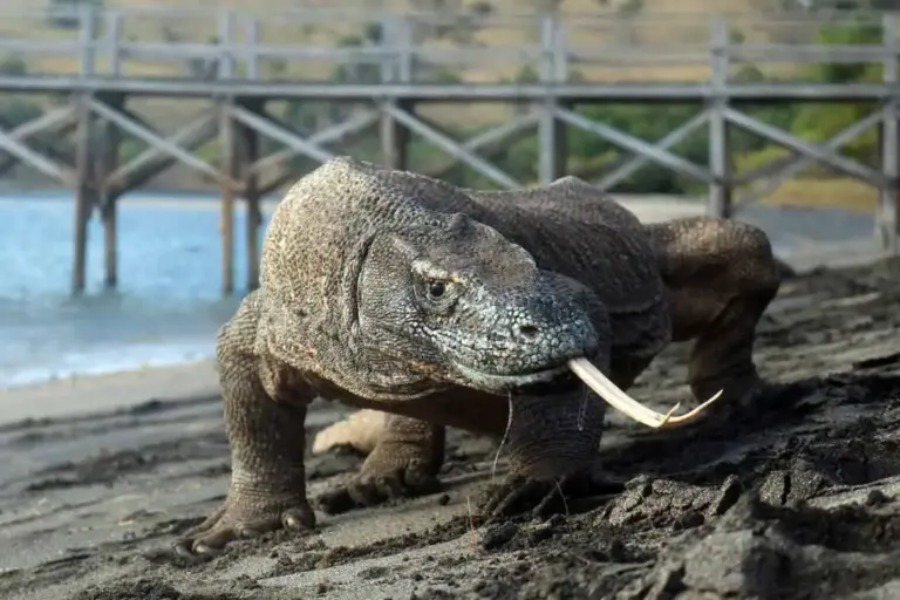
There are few creatures on Earth that inspire as much awe, curiosity, and respect as the Komodo dragon. As the largest living lizard species in existence, this ancient reptile has captured the imagination of travelers, scientists, and storytellers for generations. And yet, despite its fearsome reputation, the Komodo dragon is also a vulnerable species — one that requires our protection and understanding.
With a population of fewer than 5,000 individuals remaining in the wild, the Komodo dragon is classified as an endangered species. In Indonesia, it is protected under the Regulation of the Minister of Environment and Forestry (LHK) Number 106 of 2018, which prohibits international trade and underscores the urgent need for conservation. These magnificent creatures are found nowhere else on Earth — making a journey to their natural habitat a truly once-in-a-lifetime experience.
Where to Find the Komodo Dragon
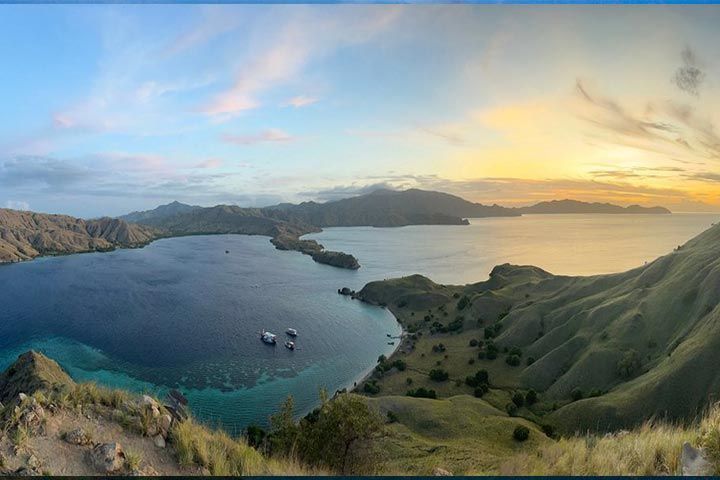
Komodo dragons are endemic to a small cluster of islands in eastern Indonesia, all of which lie within Komodo National Park. Their primary habitats include:
These islands, with their rugged savannahs, tropical forests, and coastal mangroves, provide the ideal environment for these apex predators to thrive.
Physical Characteristics: Built for Dominance
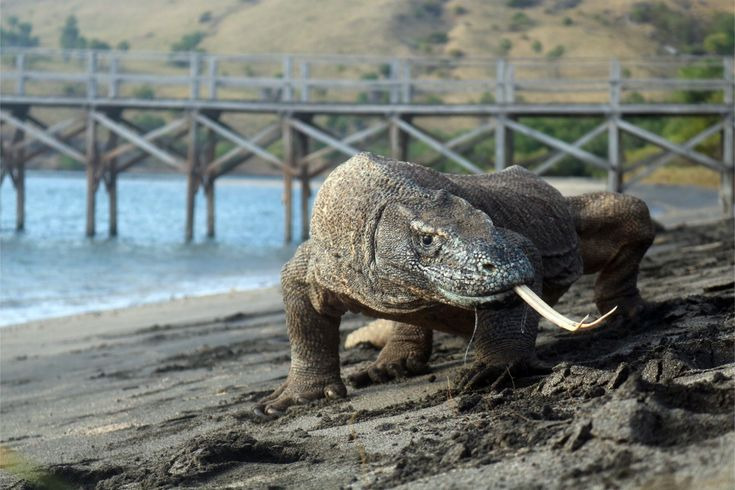
The Komodo dragon is a creature of impressive proportions. Adults can grow up to 3 meters in length and weigh as much as 100 kilograms. Despite their size, they are remarkably agile and active hunters, occupying the top tier of their ecosystem’s food chain.
Hunting and Feeding
Komodo dragons are carnivorous predators with a highly developed sense of smell, capable of detecting carrion from several kilometers away. Their diet includes:
In a single meal, a Komodo dragon can consume up to 80% of its own body weight. Following such a feast, it may not need to eat again for several weeks — a testament to its remarkable adaptability.
The Venom Myth: What Science Reveals
For decades, it was widely believed that the Komodo dragon’s bite was dangerous primarily due to the bacteria in its mouth. While oral bacteria do play a role, recent scientific studies have revealed something more sophisticated: Komodo dragons possess venom glands that produce toxins capable of:
This venom, combined with the dragon’s powerful bite, ensures that even if prey initially escapes, it will soon succumb to the effects — allowing the dragon to track and consume it at its leisure.
What to Expect When Visiting Komodo Island
Visiting Komodo Island — or Rinca Island — offers the extraordinary opportunity to observe these legendary reptiles in their natural environment. However, it is not a zoo, nor a theme park. It is a wild, protected habitat, and visitors must approach with respect and caution.
The Role of Park Rangers
All visits to see Komodo dragons are conducted under the supervision of experienced local rangers. These rangers are trained in dragon behavior and park safety protocols. They will guide you along designated trekking routes, provide interpretation, and ensure that both visitors and dragons remain safe.
Important guidelines include:
What You May See — or Not See
Komodo dragons are solitary creatures. They spend a significant portion of their time resting in the shade, burrows, or dense vegetation, especially during the heat of the day. Sightings are common but not guaranteed. If a dragon is not visible during your trek, it does not mean they are absent — simply that they are resting elsewhere.
Beyond the Dragons: Other Attractions in Komodo National Park
While the Komodo dragon is the park’s most famous resident, the park offers far more to explore.
Marine and Coastal Beauty
The islands are surrounded by crystal-clear waters, thriving coral reefs, and pristine beaches — including the famous Pink Beach. The marine environment supports:
Other Wildlife
Activities for Adventurers
Visitors can enjoy a range of activities, including:
Conservation: Protecting the Komodo Dragon
In response, Indonesia has implemented strict protective measures. The Komodo dragon is listed under CITES Appendix I, prohibiting international trade. Conservation efforts focus on habitat preservation, research, and community-based tourism initiatives that promote sustainable interaction.
Plan Your Visit: A Few Important Considerations
Best Time to Visit
The optimal time for observing Komodo dragons is during the dry season (April to December). During the mating season (July to August), however, dragons tend to retreat deeper into the forest and are less frequently seen.
Visitor Safety
Ready to Meet the Legend?
Encountering a Komodo dragon in the wild is not just a travel experience — it is a profound connection to a species that has survived for millions of years. It is a reminder of the fragility and resilience of life on our planet, and of our shared responsibility to protect it.
At Top Komodo Tour, we offer thoughtfully curated itineraries that include guided treks to the best dragon-viewing locations, along with snorkeling, trekking, and cultural experiences across Komodo National Park. Our experienced guides and rangers will ensure your visit is safe, educational, and unforgettable.
WhatsApp: +62 821 4421 7181
Email: cstopkomodo@gmail.com
The Komodo dragon awaits — ancient, powerful, and irreplaceable. Come see it in the wild, and leave with more than just photographs. Leave with a story.
Related Articles:
The Komodo dragon is one of the most fascinating predators in the world. Native to several Indonesian islands, including Komodo, Rinca, and parts of Flores, this giant monitor lizard sits near the top of its island ecosystem. But why are Komodo dragons apex predators? The answer is not simply because they are large. Their position…
When people think about Komodo National Park, Komodo dragons, dramatic islands, and the famous views of Padar Island may be the first things that come to mind. But beneath the clear waters surrounding the islands is another world that is just as impressive. The waters of Komodo National Park are home to an incredible variety…
If you think of Komodo National Park, the first image that probably comes to mind is a Komodo dragon walking across a dry hillside. But there is much more to the landscape than its famous reptiles. The national park is home to a surprisingly diverse range of vegetation. From wide savanna grasslands and lontar palms…