
Smooth Sailing Ahead: Your Guide to Preventing Seasickness on a Komodo Boat Tour
Experiencing seasickness on a Komodo boat tour is a common concern, especially among first time boat travelers. Komodo itineraries involve sailing between Labuan Bajo, Padar Island, Pink Beach, Komodo Island, Taka Makassar, Manta Point, and other destinations with different sea conditions.
Fortunately, being susceptible to motion sickness does not mean you must cancel your Komodo trip. Choosing a suitable tour format, preparing before departure, sitting in the correct area, and responding to early symptoms can make the journey significantly more comfortable.
Why Seasickness Happens?
Have you ever wondered why that queasy feeling creeps up on you at sea? It’s not in your head—it’s actually a fascinating (and frustrating) conversation between your body and brain.
Here’s what’s happening: Your inner ear, which acts like your body’s personal motion sensor, knows you’re moving with the waves. But if your eyes are glued to a phone screen or staring at the walls of a cabin, they’re telling your brain, “Hey, we’re perfectly still.” That mismatch is what throws your system off balance.
The earliest whispers of this—that heavy feeling, a touch of clamminess, or a dull headache—are your body’s way of tapping you on the shoulder. The truly good news? You don’t have to wait until it takes over. By listening to those very first signs and taking action right away, you have a much better chance of stopping it in its tracks and getting back to enjoying your time on the water.
How to Prevent Seasickness on a Komodo Boat Tour
A little preparation before your Komodo boat tour can make the difference between a rocky memory and a truly magical one.
Your personal history with motion is your best guide here. Have you ever felt uncomfortable on a bus, an airplane, a rollercoaster, or a smaller vessel? If so, your system may be more sensitive to the ocean’s rhythm. Parents should also take note: children between two and twelve are particularly susceptible, though any medication for young travelers should only be given after consulting a healthcare professional.
It’s also worth being honest with yourself about your own threshold. A traveler who typically feels nauseous on a short ferry ride will naturally need a more robust preparation strategy than someone who has sailed for days without a single symptom. Knowing where you stand isn’t about being nervous—it’s about being smart. That way, you can focus all your energy on the dragons, the sunsets, and the crystal-clear waters ahead.
Now, let’s talk about your two main options for exploring Komodo: the speedy modern boat or the charming traditional wooden vessel. Here’s the honest truth—neither one is a magic bullet against seasickness. Why? Because so much depends on the boat’s design, where you sit, the wind, the waves, and even the captain’s route that day. It’s a dance between many factors, and your comfort is part of that equation.
The speedboat is all about efficiency. It covers those long distances in a flash, which means fewer total hours on the water—a real gift if you’re short on time or prefer to sleep on solid ground. The catch? When you’re skimming across choppy seas at speed, you’ll feel those bumps and jolts more sharply. It’s a bit like a sporty car on a rough road—thrilling, but not always the smoothest ride. This option is perfect for adventurers who want to pack everything into a single, action-packed day and head back to shore for a good night’s sleep.
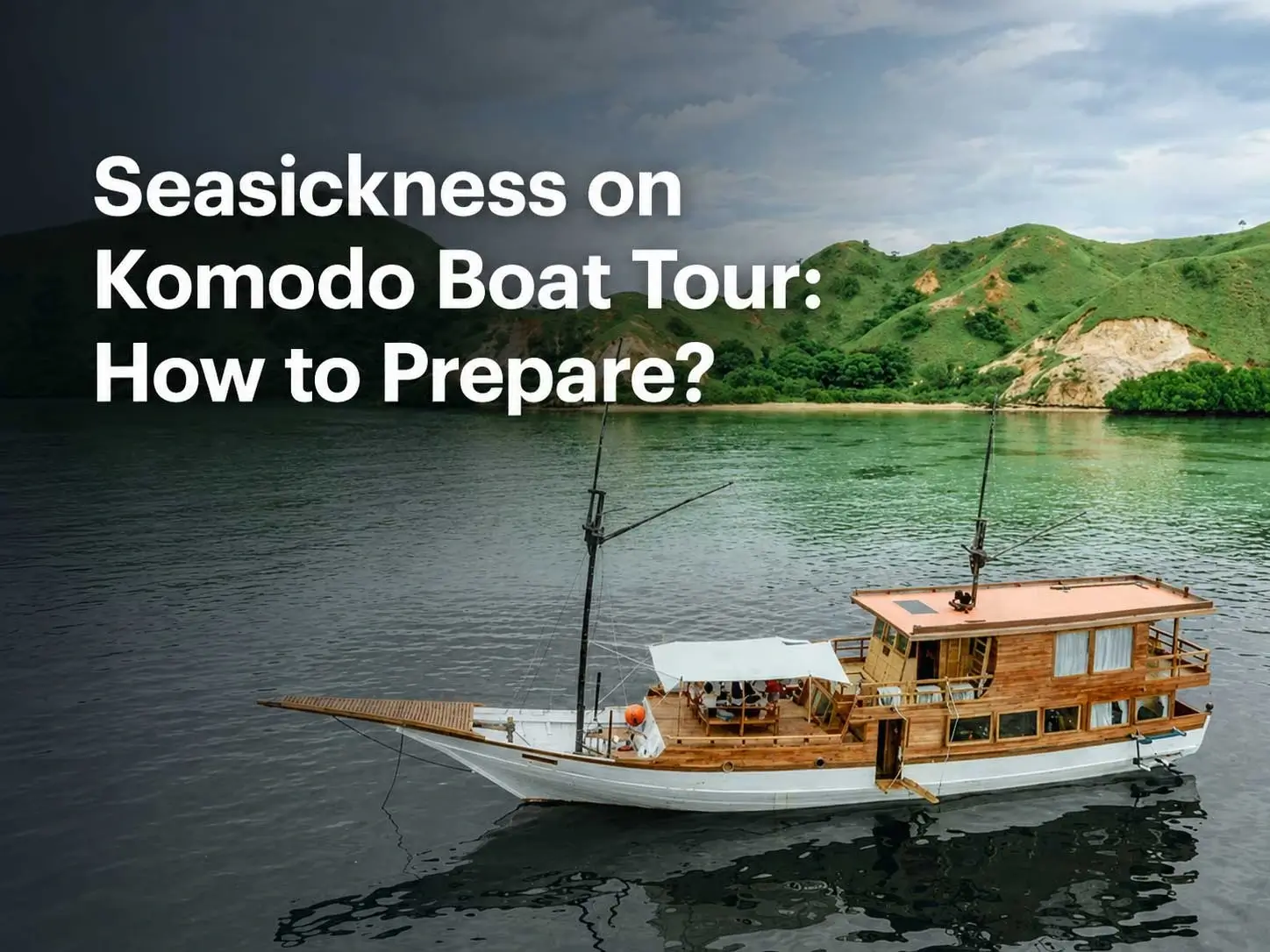
The traditional wooden boat, on the other hand, moves at a gentler, more leisurely pace. Think of it as a slow, scenic cruise rather than a race. These boats often offer more space to stretch your legs, find a cozy corner to read, or even lie down for a rest. A wider, larger hull can feel more stable and forgiving than a small speedboat, but you’ll be exposed to that subtle rocking motion for a longer stretch—overnight, in fact. This journey is ideal for travelers who don’t mind sleeping while gently swaying at anchor and who want to soak in the magic of a sunset and sunrise at sea.
There’s no right or wrong here—only what feels right for you. Both options can lead to an unforgettable Komodo experience; it’s just about matching your travel style and your body’s needs to the right rhythm of the sea.
| Tour format | Potential advantage | Main consideration |
|---|---|---|
| One day speedboat | Less time sailing | Motion can feel faster and sharper |
| Overnight wooden boat | More space to rest | Longer exposure to boat movement |
| Two days from hotel | Sleep on land each night | Two separate sailing days |
| Private boat | More seating flexibility | Usually costs more |
| Sharing tour | More affordable | Limited control over seat selection |
Travelers who are uncomfortable sleeping at sea can consider the two day Komodo tour from a hotel. It uses speedboats during the day but returns guests to their Labuan Bajo accommodation each evening.
Preparation should begin before arriving at the harbor. Lack of sleep, dehydration, alcohol, and heavy meals may make nausea more difficult to manage.
The day before departure:
- Get sufficient sleep
- Avoid excessive alcohol
- Drink enough water
- Prepare motion sickness medication
- Pack a light snack
- Confirm the departure time
- Ask about the boat type
- Keep medication in your day bag
Sailing with either a completely empty stomach or an excessively full stomach may feel uncomfortable. Eat a light breakfast before departure, especially when the tour begins early in the morning.
Choose simple foods such as toast, crackers, bananas, rice, oatmeal, or a small sandwich. Avoid very greasy, spicy, or heavy meals, and limit alcohol before the trip. Drinking water in small amounts is generally more comfortable than consuming a large volume immediately before boarding.
Motion sickness medicine generally works better when taken before symptoms become severe. Some options need to be taken before departure, but timing depends on the medicine and its instructions.
Commonly used medicines include antihistamine based products and prescription options such as scopolamine. Many can cause drowsiness, reduced alertness, dry mouth, or other side effects. Travelers should consult a doctor or pharmacist to choose a suitable product, especially when pregnant, traveling with children, taking other medication, or managing an existing medical condition.
Do not take a higher dose because the sea looks rough. Follow the packaging or medical instructions, and avoid combining motion sickness medicine with alcohol. Trying an unfamiliar medicine for the first time immediately before an important tour may also be unwise when you do not yet know how sleepy it will make you.
Let’s talk about one of the simplest—and most effective—ways to keep your sea legs steady: choosing your spot wisely.
Think of the boat’s middle section as your “sweet spot.” It naturally rises and falls less dramatically than the bow (which catches every wave) or the stern (which can feel choppy). So when you step aboard, don’t be shy—ask the crew for their insider advice on where you’ll feel the gentlest motion. The best seat in the house? Somewhere midship, where you can still catch a refreshing breeze and keep your eyes fixed on the beautiful, sweeping horizon.
Now, here’s a gentle but important tip: if you start to feel that first whisper of discomfort, don’t retreat into a warm cabin. I know it can be tempting to lie down in the shade, but heat, engine fumes, and the lack of visual reference can quickly turn a small wobble into a big wave of nausea. The NHS agrees—your best allies are fresh air, a stable middle position, and a fixed point on the horizon to help your brain and body find harmony again.
Think of it as giving your senses a steady hand to hold. A little strategic seating can go a long way toward keeping you present, comfortable, and fully immersed in the magic of Komodo.
Here’s a trick that seasoned sailors swear by: let the horizon be your anchor. Gaze out at that line where the ocean meets the sky—it gives your eyes and inner ear the same steady story about the boat’s movement. Face forward, keep your head still, and let the vastness settle your senses.
And I know this one might sting a little, but try to resist the pull of your phone. Reading, scrolling, or editing photos while the boat is moving creates exactly the kind of visual confusion that makes seasickness worse. Consider it a digital detox with a view. The horizon is way more interesting anyway, right?
If you can’t see the horizon—maybe it’s cloudy or you’re inside—simply closing your eyes works wonders. Pair that with slow, deep breaths, rest your head, and put on some calming tunes. You’re not just managing motion; you’re learning to ride its rhythm. And that, my friend, is a skill that will serve you well on every adventure to come.
Let’s talk about listening to your body—because it always gives you a heads-up before things get uncomfortable. One of the most important things I can share with you is this: don’t wait until you’re feeling really unwell to take action. Seasickness rarely hits like a thunderbolt; it tends to whisper before it shouts. And those early whispers? They’re your body’s way of saying, “Hey, let’s make a small change now.”
So, what should you watch for? It might be something as subtle as:
- Frequent yawning (even when you're not tired)
- An unusual wave of fatigue
- A sudden increase in saliva
- Feeling unexpectedly warm or flushed
- Skin that feels clammy or looks pale
- Mild dizziness or lightheadedness
- A vague, unsettled feeling in your stomach
- Simply not feeling like eating
These signs might seem small—easy to brush off. But they’re actually your golden window of opportunity. If you notice even one or two of them, that’s your cue to act. Step out into the fresh air, find that steady horizon, and take a few deep breaths. Catching it early is infinitely easier than trying to reverse full-blown nausea.
Think of it as a conversation with your body. The sooner you respond, the sooner you can get back to fully enjoying the breathtaking views around you.
Inform your guide or boat crew as soon as you feel unwell. Do not hide inside a toilet or cabin without telling anyone.
The crew may help you move to a more stable position, provide a sickness bag, direct fresh air toward you, or recommend lying down safely. They can also monitor whether the symptoms appear consistent with ordinary seasickness or require greater attention.
Traveler discussions about seasickness on Komodo boat trips on Tripadvisor show that boat selection and personal preparation are frequent concerns. However, individual reviews should be used to understand traveler experiences rather than replace professional medical advice.
When nausea has already taken hold, your priority shifts from prevention to gentle management—and that’s okay. You have options.First things first: step away from your phone. That screen is only adding to the sensory confusion. Instead, move toward fresh air, fix your gaze on the horizon, and find a stable place to sit or lie down—somewhere you won’t be thrown off balance if the boat rocks or changes course.
Hydration matters, but how you drink matters just as much. Take small, frequent sips of water rather than drinking quickly, which can overwhelm your stomach. If vomiting occurs, take a moment to rinse your mouth and then slowly begin replacing fluids. On longer journeys, especially if vomiting is repeated, consider an oral rehydration solution—it replenishes electrolytes and fluids more effectively than plain water.
And please, for your own safety: never lean over the unprotected edge of the boat while vomiting. It’s a risk not worth taking. The crew is experienced and prepared—ask them for a bag or use the designated area they recommend. Always keep a secure handhold, even if you’re feeling unsteady.
Remember: this is temporary. With these small, deliberate steps, you’re giving your body the best chance to recover. And soon enough, you’ll be back to enjoying the incredible sights around you.
A compact seasickness kit should remain in your day bag rather than your main luggage.
Consider bringing:
- Suitable motion sickness medicine
- Resealable sickness bags
- Drinking water
- Oral rehydration powder
- Plain crackers
- Ginger sweets or tea
- Wet tissues & Hand Sanitizer
- Small Towel and spare shirt
- Plastic bag for wet clothing
Ginger is sometimes used to help manage nausea, although its effect varies between individuals. It should be treated as a supporting option rather than a replacement for appropriate medication when you have a history of severe motion sickness.
Wind and waves can change between different areas of Komodo National Park. A calm departure from Labuan Bajo does not guarantee that every crossing will feel identical.
Ask the operator about current conditions before departure, but remember that forecasts can change. The captain and harbor authorities may adjust the route, delay the trip, or cancel a departure when sailing conditions are unsuitable.
A reputable operator should prioritize safety over completing every advertised destination. Explore the available Komodo Island tour packages from Labuan Bajo and explain your motion sickness concerns before selecting a speedboat, wooden boat, private charter, or sharing tour.
A private tour may provide more flexibility for travelers with severe motion sensitivity. The group can discuss seat selection, rest periods, and possible itinerary adjustments with the operator before departure.
However, a private boat cannot remove waves or guarantee calm water. Its advantage is flexibility, not immunity from seasickness. Boat design, passenger capacity, weather, and captain experience remain more important than whether the tour is private or shared
Most motion sickness symptoms improve when the movement stops. Nevertheless, repeated vomiting can cause dehydration, especially in hot weather.
Seek assistance when vomiting is persistent or accompanied by unusual symptoms. Signs of dehydration include intense thirst, dry mouth, dark urine, reduced urination, weakness, dizziness, or light headedness. Vomiting blood, confusion, fainting, severe pain, or an inability to keep fluids down requires medical evaluation rather than being treated as ordinary seasickness.
Seasickness on a Komodo boat tour is manageable for many travelers when preparation begins before boarding. Select a suitable tour format, eat lightly, use medication correctly, sit near the boat’s middle section, watch the horizon, and tell the crew when the first symptoms appear.
Top Komodo Tour offers one day speedboat trips, hotel based itineraries, traditional wooden boats, sharing tours, and private arrangements. Discuss your previous motion sickness experience before booking so the team can recommend a practical option based on your travel time, comfort needs, and planned destinations.
FAQ Seasickness on Komodo Boat Tour
There is no universally best boat. Larger and wider vessels may feel more stable, while speedboats reduce travel duration. Actual comfort depends on the boat design, route, waves, speed, and seating position.
Sit near the middle of the boat, where movement is often less pronounced. Choose a place with fresh air and a clear view of the horizon.
Yes. Eat a light meal and avoid excessive alcohol, oily food, or very heavy portions before departure.
Many motion sickness medicines work best before travel, but the correct timing varies. Follow the product instructions or advice from a doctor or pharmacist.
Some motion sickness medicines are unsuitable for young children or require specific dosing. Parents should consult a healthcare professional rather than estimate the dose.
Yes. A one day tour or hotel based two day itinerary allows travelers to return to Labuan Bajo instead of sleeping on a moving or anchored boat.
