
Beyond the Calendar: Chasing Mantas, Finding Wonder in Komodo
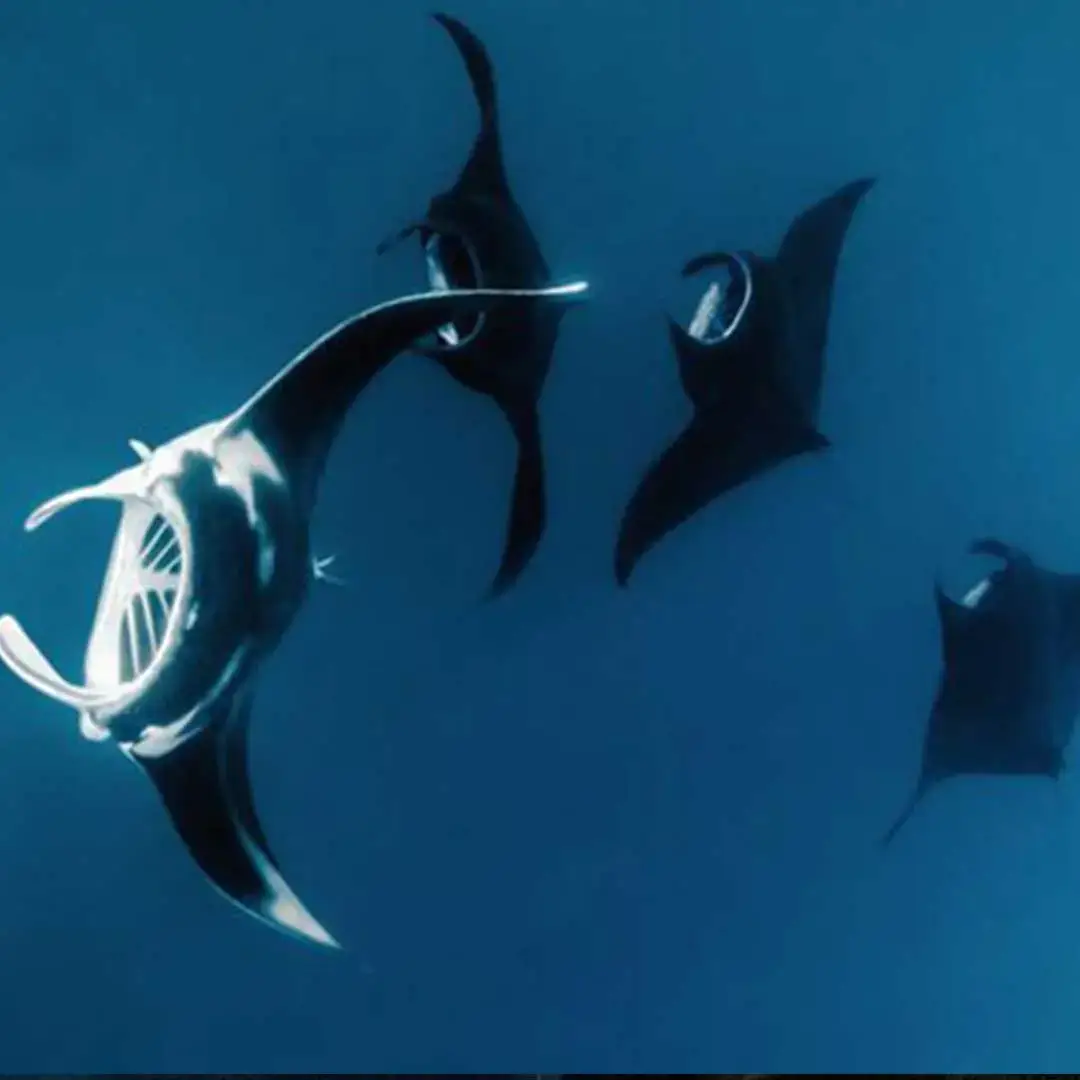
Seeing a manta ray glide beneath you is one of those moments that can completely change your Komodo trip. You may come to Labuan Bajo dreaming about Komodo dragons and Padar Island, but after watching a manta ray move effortlessly through clear blue water, you might return to the boat with an entirely new favorite memory.
So, when is the best time to see manta rays in Komodo National Park? There is no single month when manta rays suddenly arrive and disappear again. Reef manta rays use several areas around Komodo, and their movements can vary between sites and seasons. However, September to January can be an especially good period for feeding aggregations in southern Komodo, while manta encounters are also possible at central Komodo sites outside this window. Official Komodo National Park information notes that large numbers may sometimes be seen feeding between September and January. That means you have more flexibility than you might think.
Can You See Manta Rays Throughout the Year?
Let’s be honest: when you’re dreaming of gliding through the water alongside a creature as majestic as a manta ray, the last thing you want is a simple “yes” or “no” answer. You want to know: “Will I be lucky enough to meet one?”
And here’s the beautiful, honest truth—yes, manta rays do grace the waters of Komodo all year round. But their story isn’t quite that simple, and that’s what makes it so magical.
If you’ve ever asked a fellow diver about “manta season” in Komodo, you’ve probably noticed how wildly different their answers can be. One traveler might come back from a November trip beaming, describing a ballet of mantas swirling around them. Another, who visited during what’s supposedly the “prime” months, might tell a quieter tale. It’s not that anyone is wrong—it’s that the mantas have their own rhythm, their own secret calendar that doesn’t always match ours.
So, what’s really going on beneath the surface?
Scientists have been just as curious as you are. Over several years, researchers in Komodo National Park collected thousands of photographs—and what they discovered is nothing short of extraordinary. They identified 1,085 individual reef manta rays, each with its own unique spot pattern, like a fingerprint. Think about that for a moment: over a thousand distinct personalities, each with their favorite hangouts and seasonal travel plans.
Yes, these gentle giants have preferences. Some love the southern reefs during certain months, while others prefer the northern cleaning stations when the currents shift. They move, they migrate, they follow the plankton and the tides. So rather than thinking of Komodo as having one short, make-or-break “manta season,” it’s better to imagine a living, breathing mosaic—different sites come alive at different times, depending on the moon, the wind, and the ocean’s mood.
That’s the real gift of diving here. It’s not about checking a box on a calendar; it’s about being present, being patient, and letting the ocean reveal its wonders in its own time. And when it does—when a shadow emerges from the blue and a massive, graceful form drifts toward you—you’ll know that moment was never about the season. It was about showing up, and trusting the sea.
So, whether you’re planning a trip for July or December, know this: the mantas are there. They’re just waiting for the right conditions—and maybe, just maybe, for you.
Let’s talk about that sweet spot; September through January
If manta rays are at the very top of your bucket list, this is the window that tends to make divers’ hearts race. Why? Because Komodo’s southern waters come alive during these months, and the park’s own dive guides will tell you the same: this is when you have the best chance of witnessing something truly breathtaking—not just one or two mantas, but sometimes gatherings of them, sweeping through the water like silent, winged dancers.
And here’s where it gets even more thrilling. During this time, it’s not just about seeing a manta—it’s about watching them feed. Imagine hovering in the blue, your heart pounding with quiet excitement, as these gentle giants loop and barrel-roll again and again through clouds of plankton-rich water. They don’t rush. They don’t perform. They simply glide, mouths wide open, in a hypnotic dance that feels both ancient and intimately personal. It’s the kind of moment that makes you forget to breathe—and not because of your regulator.
But—and you knew this was coming—there’s that one little word we have to hold gently in our hands: sometimes.
Because here’s the thing about mantas: they don’t wear watches. They don’t check dive schedules. They don’t care about our carefully planned itineraries or our “perfect” travel dates. They follow the currents, the tides, the invisible pull of the ocean’s pantry. And even during the most promising month, no guide—no matter how experienced—can honestly promise you that a manta will show up at a specific spot at a specific time.
And honestly? That’s exactly what makes it so unforgettable.
Think about it—if you could guarantee a manta sighting, would it still feel like magic? Or would it feel more like… a checkout line? The unpredictability is the ocean’s way of reminding us that we’re guests in its world. It keeps us humble, keeps us hopeful, and keeps us coming back.
So, yes—plan for September to January. Cross your fingers, say a little prayer to the current gods, and keep your mask clear. But more than that: come with an open heart. Because whether you’re blessed with a swirling congregation of mantas or you share the water with just one solitary ghost drifting out of the deep, that encounter—that moment—will be yours alone. And no calendar, no forecast, and no promise could ever make it more special than that.
Manta Point Is One of the Most Popular Places to Look
If you’re joining a classic Komodo itinerary, chances are this is the stop your guide will mention with a knowing smile. Officially, it’s nestled in the Karang Makassar area—right in the heart of Komodo’s underwater wonderland. But to the researchers who have spent years studying these waters, it’s so much more than a dot on a map. It’s one of the park’s most important manta aggregation sites—a underwater gathering place where these gentle giants return again and again, almost like old friends meeting at their favorite café.
What’s fascinating is that scientists have discovered just how loyal mantas can be to certain spots. Some individuals show such a strong attachment to central locations like Manta Point that you can almost imagine them saying, “This is my reef. This is where I feel at home.” There’s something profoundly comforting about that—knowing that beneath the waves, there are places so special that even wild creatures remember them.
And here’s the beautiful secret about the experience itself: it’s often surprisingly simple.
No complicated navigation. No deep, technical descents. You just pull on your mask, take a breath, and slip over the side. As you float there, suspended in the blue, you wait—and then, if the ocean is feeling generous, a shadow begins to take shape. At first, it’s just a hint of something darker in the distance. A trick of the light, maybe? But then it grows, and the shape unfurls into those unmistakable, sweeping wings—and your heart stops, just for a second, because there it is. A reef manta ray, gliding toward you like a dream you didn’t know you were having.
For many travelers, Manta Point isn’t just a stop—it’s the moment. And yes, you’ll often find it beautifully woven into adventures like Top Komodo Tour’s 1 Day Komodo Tour, sitting proudly alongside other legendary names: the dramatic hills of Padar Island, the blush-pink sands of Pink Beach, the ancient, dragon-watched trails of Komodo Island, and the shimmering shallows of Taka Makassar. It’s a lineup that reads like a love letter to the wild, and Manta Point? Well, that’s the verse that lingers in your memory long after you’ve dried off.
So when you lower yourself into those waters, don’t overthink it. Don’t chase it. Just float, breathe, and let the blue embrace you. Because the mantas have their own schedule, their own mood, their own dance. And if they choose to share it with you—even for a fleeting moment—it will feel less like a sighting and more like a gift.
Should You Choose the Manta Season or the Best Weather?
Let’s be real for a moment—planning a trip to Komodo isn’t just about picking a date on the calendar. It’s about weaving together a whole tapestry of experiences, and that’s where things get exciting.
Here’s the question every traveler eventually wrestles with: Do I chase the manta season, or do I chase the perfect weather?
And the honest answer? Why not chase both—but with a little wisdom.
You see, the “best” month for manta activity isn’t the only star in this show. Weather, sea conditions, underwater visibility, and all those other bucket-list destinations you’ve been dreaming about—they all deserve a say in your decision too. Because Komodo isn’t just about what’s beneath the surface; it’s about what’s above it as well.
Picture this: You’re standing on the rugged peak of Padar Island, watching the sunrise paint the hills in shades of gold and green. Later, you’re locking eyes with a ancient Komodo dragon, feeling the weight of prehistoric time. Then, you’re wading into blush-pink waters at Pink Beach, letting the sand squish between your toes. And yes—maybe, just maybe—you’re floating above a manta ray as it glides beneath you like a silent prayer.
That’s the full Komodo story. And the beautiful truth is, you don’t need to build your entire holiday around one single season to live that story.
Here’s a little secret from those who know these waters best: instead of obsessing over the “perfect” month, shift your focus. Talk to your tour operator. Share your heart with them. Tell them, “Mantas are one of my deepest wishes—but so is everything else.”
And here’s where the magic happens—local crews don’t just read tide charts; they read the ocean. They know the hidden corners, the quiet coves, the spots that come alive when the wind shifts or the current changes. They’ve spent years learning the moods of this marine park, and they can adapt your journey in real time, chasing not just mantas, but the best possible conditions for you.
So let go of the pressure to pick the “perfect” month. Trust that Komodo will meet you where you are. Whether the mantas appear in a swirling dance or as a lone, graceful visitor from the deep, your trip will still be filled with wonder—because this place has a way of giving you exactly what you need, even if it’s not exactly what you planned.
After all, the best adventures aren’t the ones that go perfectly according to schedule. They’re the ones where you show up with an open heart, let the island work its magic, and return home with stories that no calendar could ever predict.
The Best Manta Encounter Starts with Giving Them Space
You’re floating in the blue, scanning the distance, when suddenly—there. A shadow. A shape. And then, like a whisper given form, a manta ray emerges from the deep, its wings moving with the grace of something that has never known hurry.
In that instant, every cell in your body will scream the same thing: Swim closer. Don’t let it get away. Make this moment last.
But here’s the gentle truth that experienced divers will share with a knowing smile: the best encounter doesn’t come from chasing—it comes from staying still.
I know, it sounds counterintuitive, doesn’t it? Everything in you wants to reach out, to close the distance, to capture that perfect shot. But the mantas? They’ve been swimming these waters long before we ever put on masks and fins. They know what it feels like to be followed. And they know what it feels like to be trusted.
So try something different. Try the opposite of what your instincts demand. Take a breath. Relax your body. Let the manta be.
Stay calm. Keep a respectful distance—not because you don’t care, but because you care deeply. Allow this magnificent creature to decide where it wants to go, how close it wants to come, how long it wants to share its world with you. And here’s the beautiful secret: sometimes, when you stop pursuing, the manta will actually come to you. Curious, unafraid, it might glide just overhead, close enough that you can see the pattern of its spots, the gentle curve of its mouth, the quiet intelligence in its eye. That moment—that moment—is worth more than any photo you could ever chase.
Because here’s what’s at stake. These aggregation sites aren’t just random meeting points. They are feeding grounds, cleaning stations, social gathering places—the underwater equivalent of village squares where mantas come to live their lives. They raise their young here. They find partners here. They return year after year, trusting that this place is safe.
And we, as visitors, have a choice. We can be respectful guests, or we can be unwelcome interruptions. Research has shown that tourism pressure is one of the real challenges these gentle giants face at frequently visited sites. So when we choose to hold back, to give space, to resist the urge to touch or chase or block their path for a “better” photograph—we are choosing to be part of the solution, not the problem.
Don’t touch. Don’t chase. Don’t corner.
Instead, float. Breathe. Trust. Let the manta be the one to decide how this story unfolds. And when it eventually fades back into the blue, you’ll carry something far more valuable than a rushed photo—you’ll carry the quiet pride of having shared a moment of pure, mutual respect with one of the ocean’s most breathtaking souls.
And isn’t that the kind of encounter we’re all really searching for?
Make Manta Point Part of a Bigger Komodo Adventure
Seeing manta rays can easily become the highlight of your day, but there is much more waiting around Komodo National Park. One journey can take you from the panoramic hills of Padar Island to Komodo dragon habitat, Pink Beach, tiny sandbanks and vibrant snorkeling areas.
If you would like more flexibility when arranging the places you visit, Top Komodo Tour also offers a Private Komodo Tour with a more flexible schedule and itinerary. Tell us what you would love to experience in Komodo, and we can help you choose a trip that gives you the opportunity to explore both its famous islands and incredible underwater world.
Come hoping to meet a manta, but enjoy everything along the way. Sometimes the best wildlife encounters happen when you are simply in the right place, at the right moment.
WhatsApp +6282144217181
Frequently Asked Questions
Not at all—and here’s the beautiful truth: some of the most magical manta encounters happen while you’re simply floating on the surface, mask on, heart open.
Many of our travelers are absolutely beaming when they tell us they met a manta while snorkeling. No heavy gear, no certification required—just you, the blue water, and a gentle giant gliding beneath you like a dream. That said, the best activity really depends on the site and the conditions on the day of your visit. Your guide will help you choose what’s right for you, so you can have the experience that feels both safe and unforgettable.
Let’s be honest—currents around Komodo can be as moody as they are magnificent.
They shift with the tides, dance with the winds, and vary from one site to the next. Some days, Manta Point welcomes you with calm, glassy waters. Other days, it reminds you that this is a wild, living ocean. That’s why we always say: listen to your guide or boat crew before you slip into the water. They know these currents like the back of their hand—they’ll tell you when it’s safe, when to be cautious, and when to wait. Even if you’re a strong, confident swimmer, trust their wisdom. They’ve got your back.
Yes—with a little planning and a lot of love.
Families are absolutely welcome to include snorkeling destinations in their Komodo journey, and watching a child’s face light up at the sight of a manta is pure magic. But every child is different, and every day on the water is different too. The key is an honest conversation with your tour operator before you book. Be open about your child’s swimming ability, and let the experts guide you toward what’s suitable for your family on that particular day. Safety and smiles go hand in hand.
Oh, absolutely—and we encourage it! Capturing that moment is a gift you’ll treasure forever.
Action cameras and underwater housings are wonderful companions on this adventure. Just remember: the best shot is the one taken with patience and respect. We know how tempting it is to kick closer for that perfect angle, but the real magic happens when you slow down, stay still, and let the manta approach on its own terms. Some of the most breathtaking photos come from those quiet, unexpected moments when a curious manta drifts right past you—close enough to see its spots, close enough to feel its presence. Those are the photos that tell the real story.
Think comfort. Think protection. Think easy joy.
Start with your favorite swimwear—something you feel confident and relaxed in. Then layer on sun protection: a rash guard, reef-safe sunscreen, and maybe a hat for the boat ride. If you have an underwater camera, bring it—you’ll thank yourself later. And here’s a practical tip: most tour packages include snorkeling gear, but it’s always smart to double-check what’s provided so you’re not caught off guard. A quick message to your operator before departure can save you a little stress and let you focus on what really matters—the wonder that awaits beneath the surface.
We hope these answers help you feel a little more ready, a little more calm, and a whole lot more excited. Because the truth is, no matter how much you plan, Komodo will always surprise you—and that’s exactly why you’ll never forget it.
