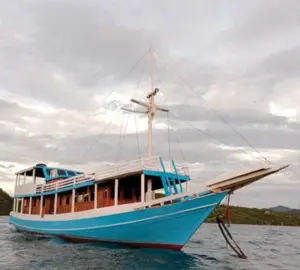
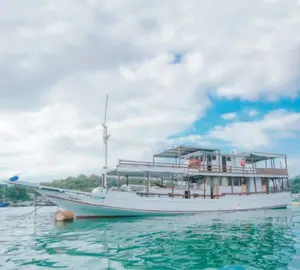
This Boat has cabins with double bunk beds and single bunk beds with outdoor sharing and a simple bathroom. This boat can accommodate a maximum of 4 people in each cabin. outdoor dining room and sun deck.
For the multi-day tour that needs you to stay overnight on the boat, the boat capacity is 4-7 people (not including the boat skippers). All of the guests will be able to be accommodated in each cabin.
For one-day tour, the boat is able to accommodate more than 10 people.
Standard Boat II
How To Book Your Komodo Boat Tour
Booking a Komodo boat trip can be done online through our travel agency. You can send us a message via Email or WhatsApp about your tour program, then our team will offer the itinerary depending on your request.
A standard boat I is a kind of wooden boat, that is used for a day tour or multi-day with an overnight tour program within Komodo National Park. It has a standard facilities.
Some of the boats at least have a cabin with a double bed and private bathroom. The other cabins have a double bunk bed or single bunk bed with a shared bathroom with a simple cold shower.
Meanwhile, Most of the Boat has cabins with double beds or even double bunk beds with a shared bathroom. The boat can accommodate a maximum of 4 people in one cabin (depending on bed type).
For a multi-day tour program that needs you to stay overnight on the boat, the maximum boat capacity is 7-8 people ( not including the boat skippers). All the guests will be able to be accommodated in each cabin.
however, for a one-day tour, the boat is able to accommodate 15 guests or more in one boat.
Standard Boat I
How To Book Your Komodo Boat Tour
Booking a Komodo boat trip can be done online through our travel agency. You can send us a message via Email or WhatsApp about your tour program, then our team will offer the itinerary depending on your request.
Komodo National Park is a wonderful place to visit, with amazing flora and fauna and even beautiful underwater life. Here, you can have the unique opportunity to witness the largest living lizard on earth, The Komodo Dragon in their natural habitat. This park is also home to other species of wildlife, including monkeys, deer, wild boars, birds, etc. And if you think that’s impressive, wait until you dive into the underwater site of Komodo.
Here, you’ll discover an abundance of colorful coral reefs, schools of tropical fish, turtles, and even the rare Manta Rays. Whether you’re a nature enthusiast, an adventure seeker, or simply someone who wants to experience the beauty of the world, a journey to Komodo National Park is an absolute must.
History and Geography of Komodo National Park
Komodo National Park is located in the Lesser Sunda Islands, in the province of East Nusa Tenggara, Indonesia. The park consists of the three biggest islands: Komodo, Rinca, and Padar, as well as several smaller islands. The park was established in 1980 to protect the Komodo dragon, which is endemic to the area. In 1991, the park was declared a UNESCO World Heritage Site.
The park covers an area of 1,817 square kilometers, of which 603 square kilometers are land and the rest is marine. The landscape is rugged and hilly, with dry savannahs and dense forests. The islands are surrounded by crystal-clear waters, home to some of the most diverse marine life in the world.
Flora and Fauna Life
The flora and fauna of Komodo National Park are incredibly diverse. The park is home to over 5,000 species of plants, including the Lontar Palm, which is used by the local people for food, medicine, and building materials. The park is also home to a wide variety of animals, including monkeys, deer, wild boar, and birds such as the Yellow-crested Cockatoo.
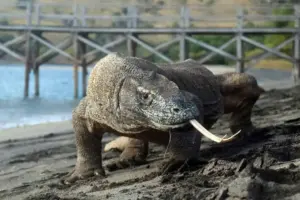
But the star of the show is undoubtedly the Komodo dragon. These ancient creatures, which can grow up to 3 meters in length and weigh up to 70 kilograms, are the world’s largest living lizards. They are carnivorous and can eat up to 80% of their body weight in one meal. Despite their size, they are surprisingly fast and can run up to 20 kilometers per hour.
The Famous Komodo Dragons
The Komodo dragons are undoubtedly the main attraction of Komodo National Park. Visitors can witness these majestic creatures in their natural habitat, roaming freely on the islands of Komodo and Rinca. The best time to see them is during the dry season, from April to December when they are most active.
Visitors can take a guided tour to see the Komodo dragons up close. The tours are led by local rangers, who are experts in the behavior and habits of the dragons. It’s important to follow their instructions and stay within the designated areas, as the dragons can be dangerous.
Snorkeling and Diving
Komodo National Park is a paradise for snorkelers and divers. The park is home to various species of fish, corals, and species of sponges. The waters are also home to several species of sharks, rays, and turtles, as well as the rare Manta Ray.
The best sites for snorkeling and diving are located around the islands of Komodo, Rinca, and Padar. Some of the most popular sites include Manta Point, Siaba Island, Batu Bolong, etc. We provide tours that include these snorkeling spots on our program.
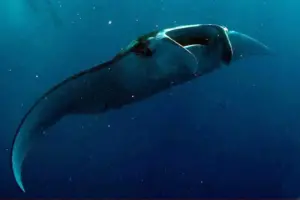
In Manta Point you will snorkel with wonderful manta rays and in Siaba Island you will have an opportunity to snorkel with turtles and other wonderful marine life as well as the beautiful coral reefs.
Hiking and Trekking
Komodo National Park offers a wide range of activities for visitors to enjoy. Trekking and hiking are the most popular activities to do on the several islands in the park. Trekking to the top of Padar Island with stunning views of the island and surroundings. Visitors may even spot some of the resident wildlife, such as deer and some kinds of birds.
Another trekking spot that we really recommend is Gili Lawa Island. This spot has wonderful views of sunrise and even the sunset.
Tips for Visiting Komodo National Park
– Dress appropriately for the weather and terrain
– Wear comfortable shoes for hiking and walking
– Bring sunscreen, a hat, and sunglasses to protect yourself from the sun
– Bring insect repellent; spray or cream
– Respect the local culture and customs
– Follow the instructions of your tour guide and local rangers when visiting the park
– Do not litter or damage the environment
Best Time to Visit Komodo National Park
The best time to visit Komodo National Park is during the dry season, from March to December. During this time, the weather is sunny and dry, with little to no rain. The seas are calm and clear, making it perfect for diving and snorkeling.
If you’re planning to visit during the peak season, which is from July to August, it’s advisable to book your accommodation and tours in advance, as We tend to get fully booked. The shoulder season, from April to June and September to November, is also a good time to visit, as there are fewer crowds and the prices are lower.
If you want to include having an opportunity to witness the Komodo Dragon in their natural habitat, avoid visiting the park in July and August. It is a mate session for the Komodo dragons. During this time, The Komodo will be in the deep forest and rarely seen in the trekking area. Even if there is a chance, and even then very little to see the big dragons. There are only small Dragons.
How to Get To Komodo Park and Accommodation Options
For visitors who are really interested to explore the Komodo National Park, we recommend you book a tour in advance for the best experiences and services. Then, you can take a flight to Komodo Airport in Labuan Bajo Town. Labuan Bajo is a Coastal town in West Flores Island and is a main entry to the Komodo Park. From this town, you will take a boat trip that you’ve booked before to the Park and start your adventure.
There are lots of accommodation options near the Park, from budget-friendly to luxury resorts. You can choose to stay in Labuan Bajo or overnight on a boat trip, so you can have more time to reach more spots in the Park.
For your safety on your trip to Komodo National Park, it is important to follow all the regulations made by the Park Authority.
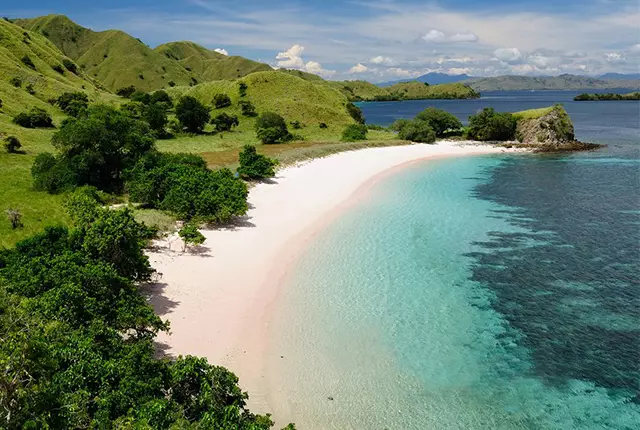
Pink beach in Komodo National Park, Indonesia is one of the few pink sand beaches in the world. This beach gets its name from the pink hue of its sand, which is caused by a mixture of white sand and red coral fragments. This beach is suitable for the travelers who are really love about snorkeling and relaxing on the stunning exotic beach.
What makes Pink Beach in Komodo Island so special?
Pink Beach in Komodo Island is a truly unique destination that offers visitors a one-of-a-kind beach experience. The pink sand, caused by a mixture of white sand and red coral fragments, is just the beginning of the natural beauty that awaits.
The crystal clear waters are perfect for swimming and snorkeling, and visitors can also enjoy vibrant marine life and stunning views. Whether you’re looking for a relaxing day at the beach or an adventure-filled excursion, Pink Beach is a must-visit destination.
Additionally, there are two Pink Beaches in Komodo National Park. Pink Beach in Komodo Island and Long Pink Beach in Padar Island. The most popular now is Long Pink Beach In Padar Island, but you can visit both when you have a tour plan to Komodo National Park. Both of the Beaches will give you wonderful different vibes.
Activities to do at Pink Beach in Komodo
Pink Beach offers a variety of activities for visitors to enjoy. Swimming and snorkeling are popular options, as the clear water allows for great visibility of the coral reefs, colorful fish, and other marine life. For those who prefer to relax, lounging on the soft pink sand and soaking up the sun is the perfect way to spend the day.
If you’re feeling adventurous, consider going on a hike to explore the surrounding area and take in the stunning views. Just remember to always follow any guidelines set by your tour company or local authorities to ensure the safety of both yourself and the environment.
How to get to Pink Beach in Komodo
To get to Pink Beach, you will need to travel to Komodo National Park which is located in Indonesia. The easiest way to reach Komodo Island is by taking a flight to the nearby town of Labuan Bajo (Airport: LBJ; Komodo Airport) and then taking a boat to the island.
We offer some tour packages that include visiting Pink Beach. There are full-day trip, 2 days, 3 days, 4 days, and even 5 days trips to explore more about the Komodo National Park, and of course, Pink Beach is always on each of these packages.
Tips for a safe and enjoyable visit to Pink Beach.
When visiting Pink Beach, be sure to take all necessary safety precautions. The more prepared you are, the better your experience will be. Don’t forget to bring sunscreen, insect spray or cream, a hat, and sunglasses to protect yourself from the sun. Wear suitable shoes or sandals for trekking on the island.
For meals and mineral water, it’s included in the tour price that we offered. Please always remember that always follow any guidelines set by your tour guide and local authorities to ensure the safety of both yourself and the environment. Finally, make sure not to leave any rubbish behind – being mindful of our environment is essential when exploring such a natural beauty!
Wae Rebo Komodo tour is also another recommended and perfect tour program which is combination trip to show you the unique culture and nature in west Flores and to witness the Komodo dragon as the largest monitor lizard in its natural habitat within Komodo National Park.
Here is the outline program of Wae Rebo Komodo tour:
Wae Rebo Komodo Tour (5D/4N)
Day 1. Labuan Bajo – Lembor village – Narang village – Denge village – Wae Rebo village (L,D)
Early morning pick up at hotel/airport in Labuan Bajo, west Flores. Drive to Lembor village to see the largest wet paddy-field in west Flores. Drive to Narang village southern coast of west Flores. Drive to Denge village. Start trekking up for 3 hours to impressive traditional village of Wae Rebo. Lunch on the way, Dinner and overnight at Wae Rebo village.
Day 2. Wae Rebo – Denge village – Narang village – Lembor village – Labuan Bajo (B,L,D)
Simple breakfast at Wae Rebo village. See and enjoy the Wae Rebo village, by interacting with the local community to learn about their way of life and their unique culture before leaving the village. Trek down back to Denge village. Drive back to to Labuan Bajo via Narang and Lembor village. Check in at your hotel in Labuan Bajo for overnight and dinner. Lunch will be served on the way.
Day 3. Labuan Bajo – Rinca island – Pink Beach – Komodo island (B,L,D)
Breakfast at your hotel. Transfer to harbor to catch a boat trip. Boat to Rinca island. Trekking to witness the Komodo dragon and other wildlife on Rinca island. Boat to Pink Beach to snorkel and relax. Lunch will be served on the boat, Dinner and Overnight are also on the boat on Komodo island.
Day 4. Komodo island – Manta Point – Kanawa island – Labuan Bajo (B,L,D)
Breakfast on the boat. Trekking on Komodo island to witness Komodo dragon and other wildlife. Boat to Manta point to see the huge Manta rays. Boat to Kanawa island for snorkeling and relax. Boat back to Labuan Bajo’s harbor. Transfer to your hotel in Labuan Bajo for overnight at dinner. Lunch will be served on the boat.
Day 5. Hotel – check out for your next destination (B)
Traveling to Flores and Komodo island Indonesia will be more complete if you cover all these three recommended tourist attractions which is starting from Kelimutu lake, Wae Rebo unique traditional village and most famous Komodo dragon in Komodo national park.
Kelimutu-Wae Rebo-Komodo Tour (8D/7N)
Day 1. Ende - Moni village
Pick up at hotel/airport in Ende. Drive to Saga traditional village. Drive to Moni village to check in at your hotel in Moni village.
Day 2. Moni village - Kelimutu lake - Ende - Bajawa
Early drive to Kelimutu Lake. Witness the three amazing lakes of kelimutu. Drive back to the hotel for breakfast. Visit Wologai traditional village. Drive to Ende. Continue to Panggajawa Beach to stop seeing the Blue/green stone along the beach. Drive to the Wogo traditional village of the Ngadha tribe. Drive to Bajawa to check in at the hotel.
Day 3. Bajawa - Bena village - Aimere - Borong - Ruteng
Breakfast at the hotel. Drive to Luba and Bena impressive traditional villages of the Ngadha tribe in Flores. Drive to Aimere to see the traditional process of a local alcohol drink called Arrak from palm juice. Drive to Borong for lunch. Continue to Ruteng for an overnight stay. If time permits, you will visit the amazing rice-field view at Kilo Lima Ruteng.
Day 4. Ruteng - Lodok Cancar (spider's web Rice Fields)- Narang - Denge - Wae Rebo village
Breakfast at the hotel. Drive to Cancar to see “Lodok” the huge round rice fields that look like giant spider’s webs. Drive to the south coast via Narang village. Heading to Denge village. Start trekking up for 3 hours to the impressive traditional village of Wae Rebo. Lunch on the way, Dinner, and overnight at Wae Rebo village.
Day 5. Wae Rebo – Denge village – Narang village – Lembor village – Labuan Bajo (B,L)
Simple breakfast at Wae Rebo village. See and enjoy the Wae Rebo village, by interacting with the local community to learn about their way of life and their unique culture before leaving the village. Trek down back to Denge village. Drive back to Labuan Bajo via Narang and Lembor village. Lunch will be served on the way. Check-in at your hotel in Labuan Bajo for overnight and dinner.
Day 6. Labuan Bajo – Rinca island – Pink Beach – Komodo island (B,L,D)
Pick up at your hotel. Transfer to the harbor to catch a boat trip to start your Komodo tour. Heading to Rinca Island. Trekking to see the Komodo dragon and other wildlife. Boat to Pink Beach to snorkel and relax. Boat to Komodo Island. Lunch, Dinner, and overnight on the boat trip at Komodo Island.
Day 7. Komodo Island – Manta Point – Kanawa island – Labuan Bajo (B,L)
Breakfast on the boat. Trekking at Komodo island to see Komodo dragon and other wildlife – Boat to Manta Point to see the huge Manta rays by snorkeling. Boat to Kanawa island to snorkel and relax. Lunch will be served on the boat. Boat back to Labuan Bajo harbor. Transfer to the hotel for dinner and overnight.
Day 8. Hotel – Transfer out for your next destination (B)
Breakfast at your hotel. Free at leisure until time for you to check out for your next destination.